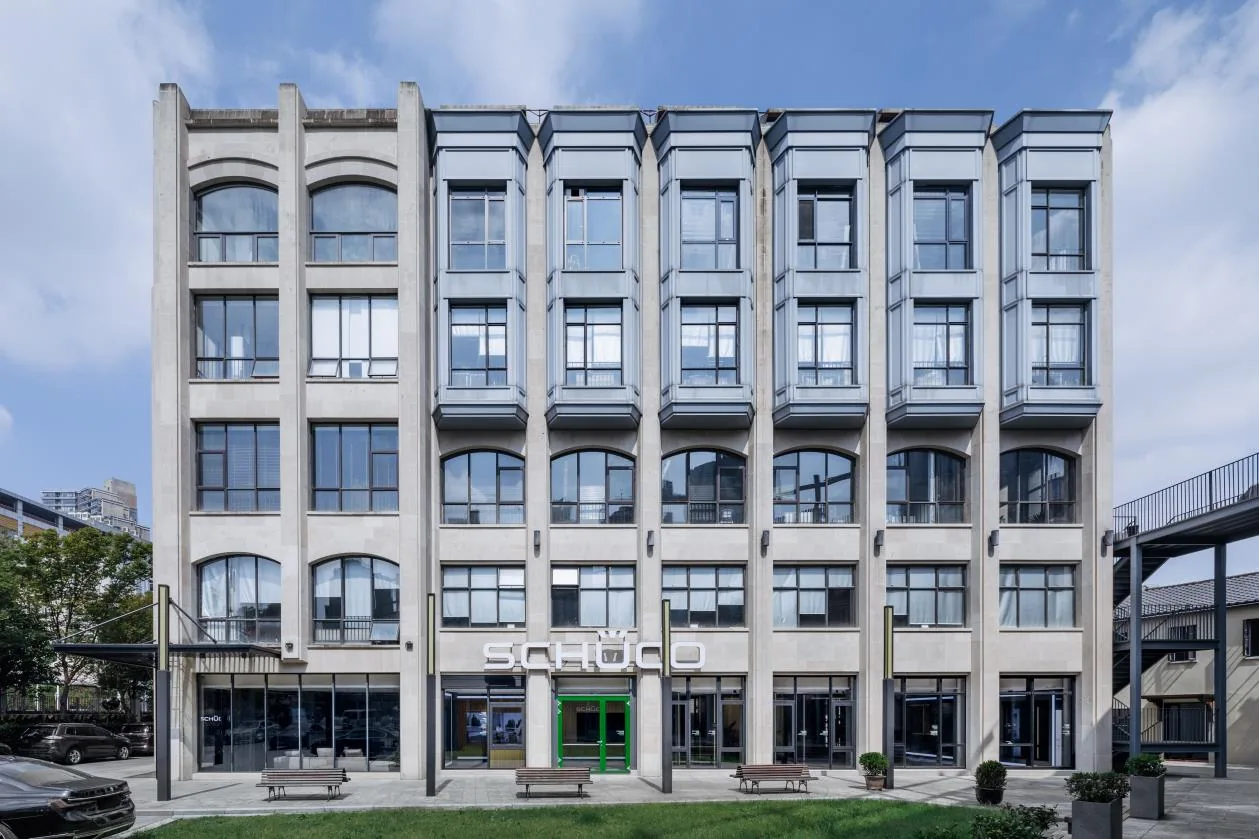
Residential & mixed-use
A building residents notice for the right reasons.
For developers and operators who need the building to run efficiently after the handover, not just look good at the launch.
Quick answer
Apartments, MDUs and branded residences where developers need lower operating cost and a better resident experience.
1 — platform for apartments and shared areas · Local — control in every unit, independent of the cloud · Open — interfaces for access, intercom and metering
1
platform for apartments and shared areas
Local
control in every unit, independent of the cloud
Open
interfaces for access, intercom and metering
01 / The challenge
The daily reality
Residential buildings are judged after handover. The systems that matter most are the ones residents use every day and the ones the operator has to maintain for decades.
Access, intercom and CCTV are installed by different vendors.
Shared-area energy is not allocated or explained.
Residents cannot see or control their own consumption.
Simple service requests become site visits.
02 / Scope
What we bring into one model
Typical scope for a residential or mixed-use development. Final scope follows the audit.
Access & intercom
Building entry, apartment release, visitor logs and CCTV linkage.
Apartment climate
Heating, cooling, ventilation and humidity control per unit.
Lighting & shading
Shared-area scenes, façade lighting and automated shading.
Energy & water
Unit and common-area metering, leak detection and alerts.
CCTV
Shared-area camera map and event linkage.
Parking
Entry/exit status, space counts and EV charging.
Lifts
Status and alarm monitoring through dry contacts or API.
Resident app
Room control, service requests and consumption views.
03 / Outcomes
What changes for the operator
What the operating team actually feels after go-live.
One building identity
Residents use one app and one access credential across shared and private areas.
Lower common-area cost
Lighting, ventilation and parking follow actual use, not fixed schedules.
Fewer site visits
Alarms and service requests arrive with the unit, device and history attached.
A handover package that lasts
Documentation, point schedules and training are part of the delivery, not an afterthought.
Façade
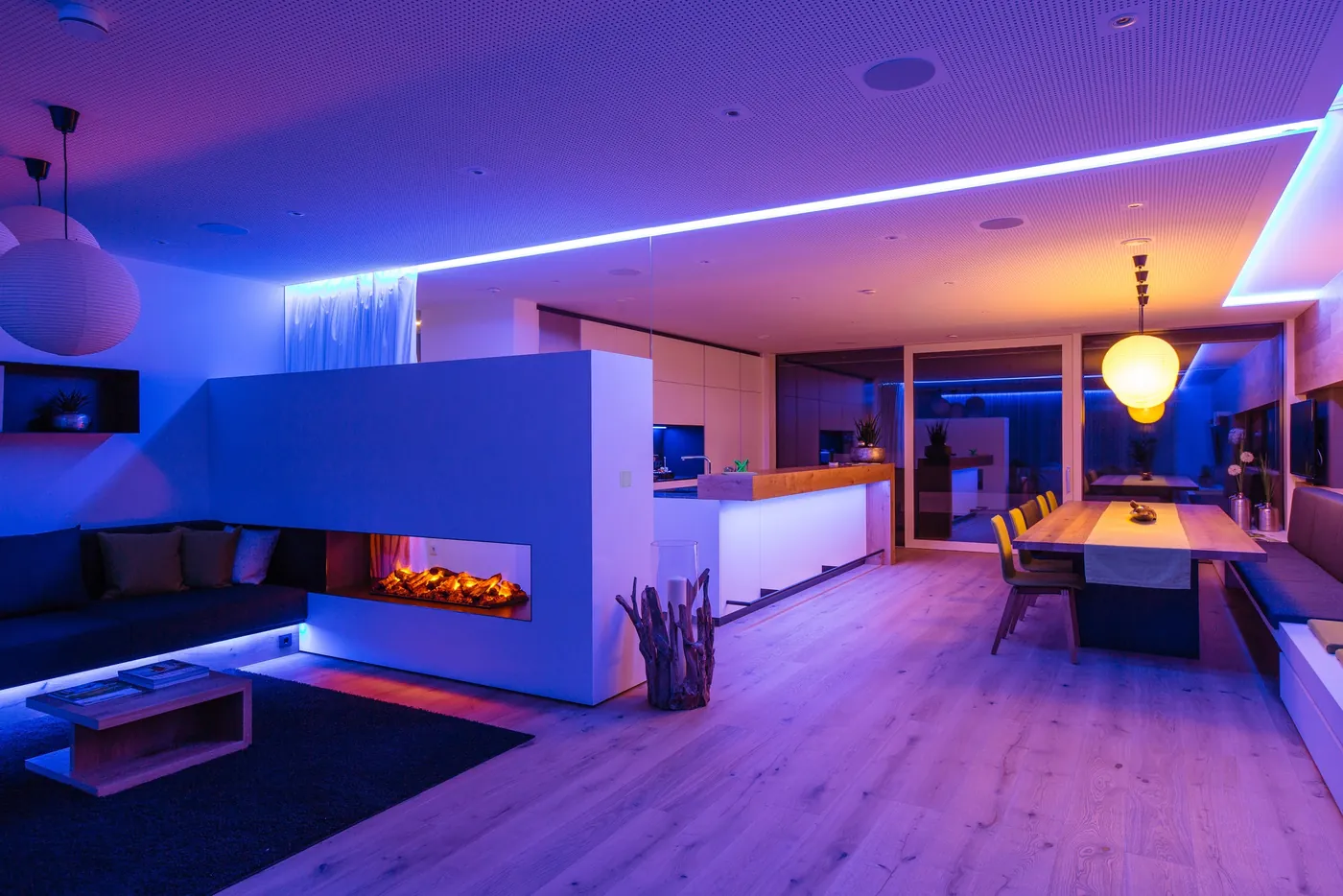
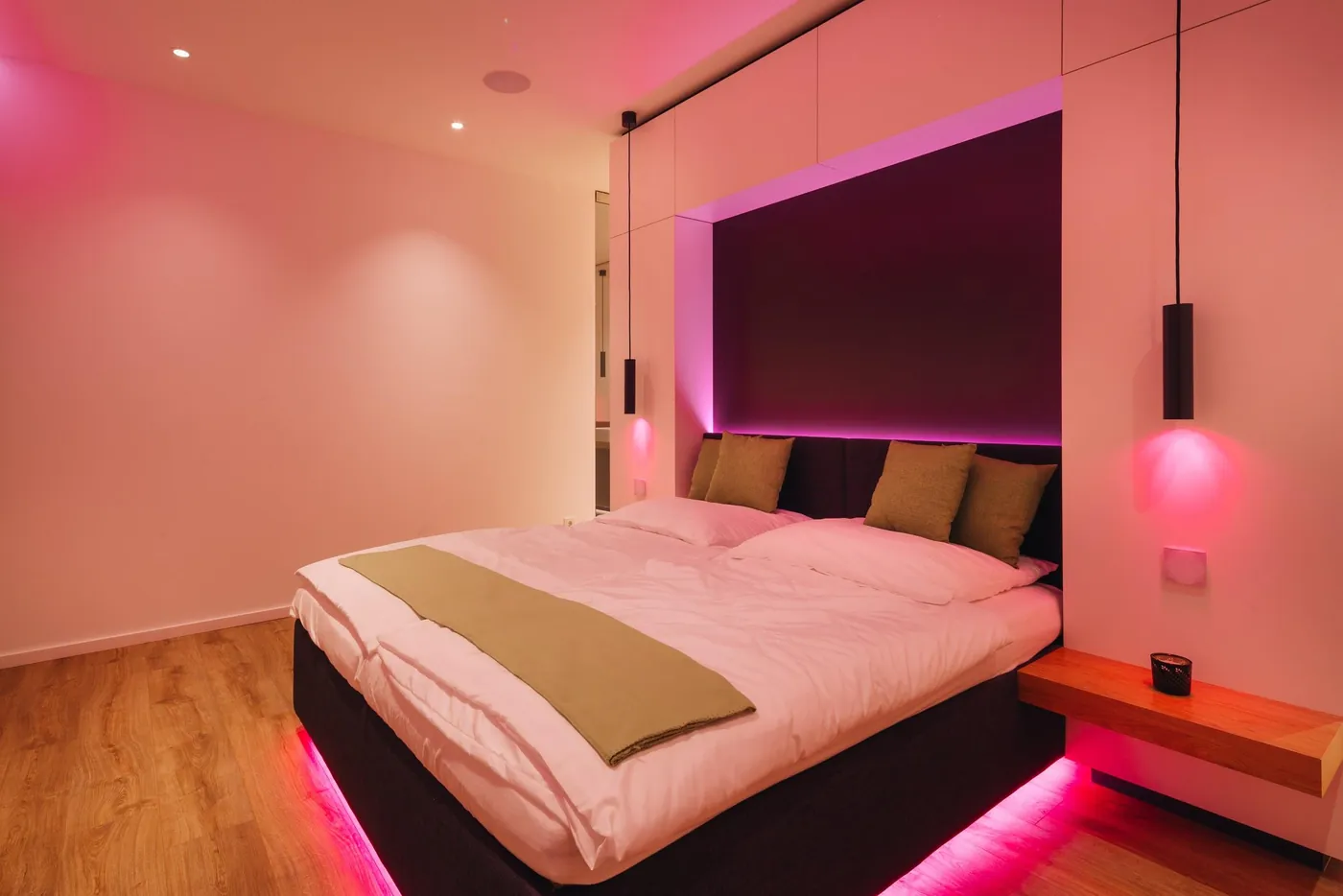
Spaces
What it looks like in the space.
From façade to room interior, the same integration logic.
04 / On the platform
How the solution lands on the three layers.
One architecture, tuned to the building type and operating model.
Application
Dashboards, mobile access, reports, tenant and guest views, portfolio rollups. Every role sees the building at the resolution it needs.
Supervision
The integration core normalises every subsystem into a common object model, then applies schedules, interlocks, alarm routing and audit logging.
Device
Loxone controllers and gateways connect the plant room, the floor and the guest room. Control stays local; the platform supervises.
05 / FAQ
Questions, answered
The things owners, consultants and integrators ask us most.
Can each apartment have its own controls?
How do you handle privacy?
Can you work with our intercom vendor?
Is the system suitable for phased handover?
06 / Related
The same architecture, another building.
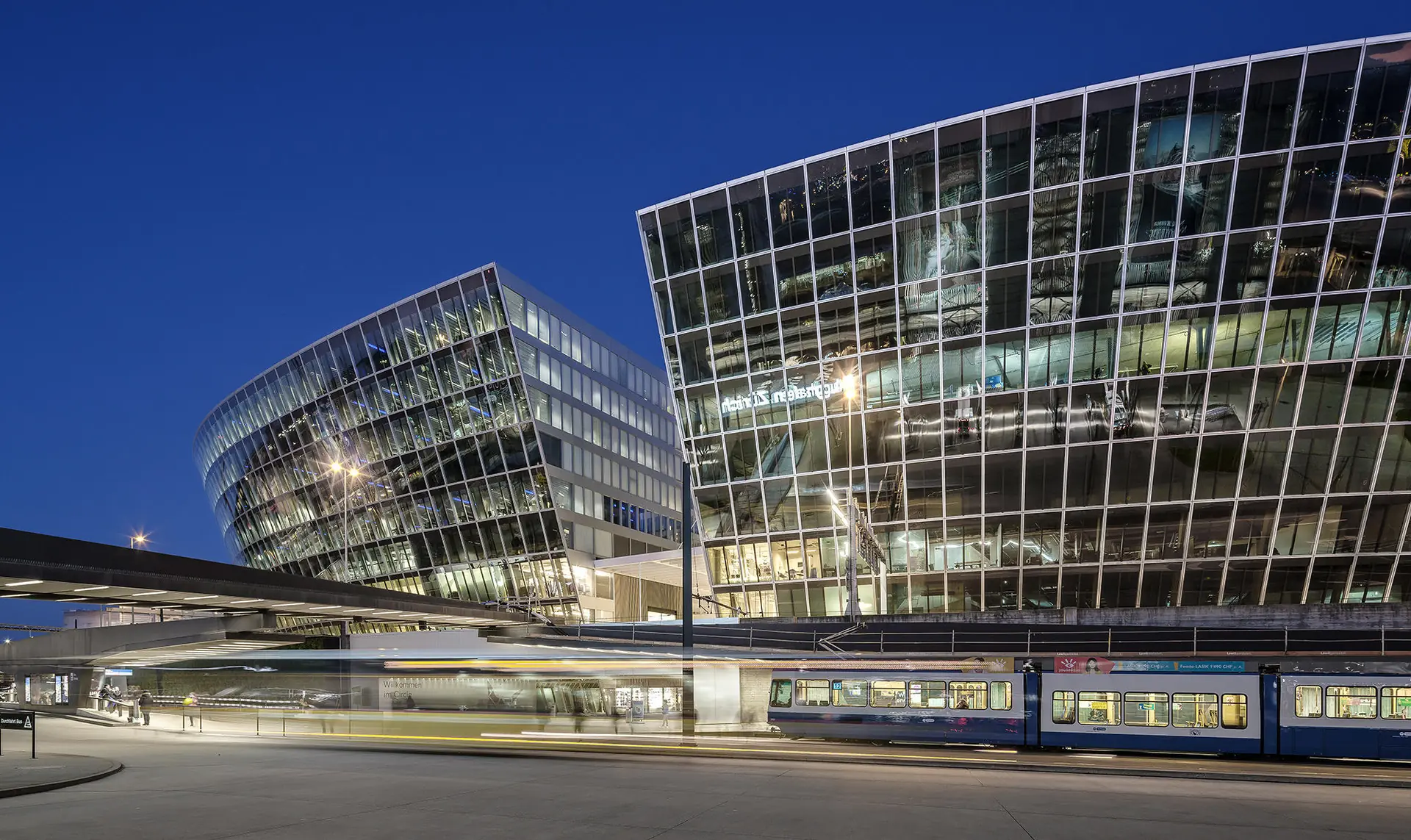
Commercial & workplace
One building, many tenants, one operating picture.
Offices, campuses and mixed-use assets where facility teams need to run HVAC, lighting, access and energy as one system.
Explore
Energy & carbon
Measure the building. Then move it.
Metering, PV, storage and EV charging brought into one energy model, with the controls to act on it.
ExploreRelated insights
Go deeper on the engineering.
Technical notes that sit next to this solution.
Local-first building automation: why resilience lives on site
Cloud dashboards are convenient. They are a poor place to put the control logic a building needs at 03:00. A case for local-first architecture.
Read moreRetrofitting a building without replacing everything
How to add an IBMS layer to an existing building without a rip-and-replace.
Read moreNext step
Bring us the building. We will bring the operating picture.
Share the project stage, the systems in scope and the outcome you need. Our engineers will map the shortest path to a working IBMS.