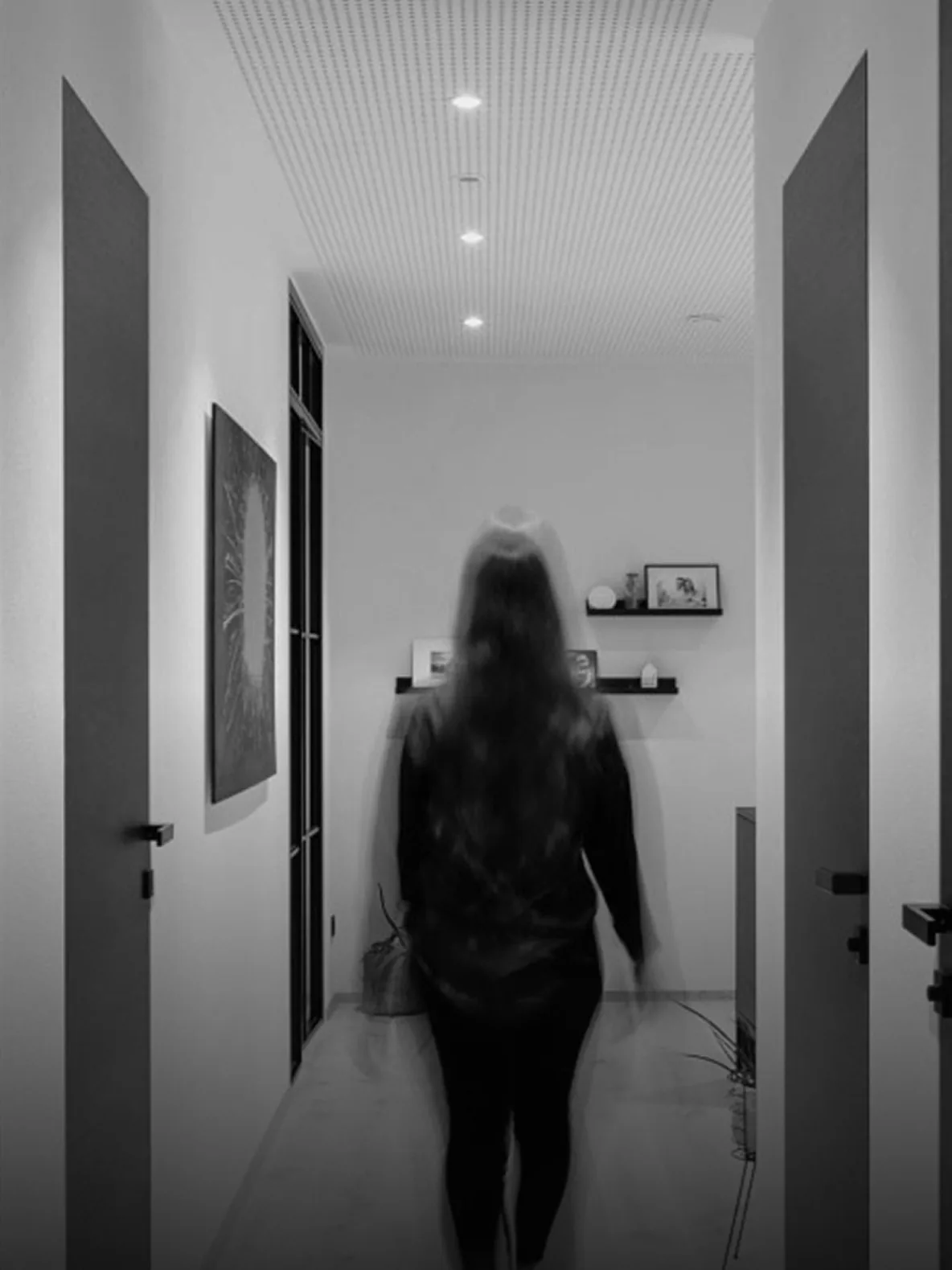
Loxone · Lighting
Loxone Lighting — Building Lighting Control and DALI Integration
Building lighting control on a Loxone platform: DALI, DMX, KNX and relay circuits, presence and daylight strategies, scenes and fault monitoring.
Quick answer
Loxone lighting control runs presence, daylight and schedule logic on local controllers and integrates DALI, DMX, KNX, Tree luminaires and relay circuits into the same building model. Scenes, dimming and fault status are available to operators, and lighting responds to access, alarm and occupancy events rather than operating as a separate system.
Lighting is an operating system, not a switch
Commercial lighting is one of the few systems every occupant touches and every energy report depends on. It also runs for the longest hours. Treating it as a set of switches leaves energy on the table and makes fault finding manual. We design lighting as part of building operation: zones follow occupancy, daylight and function; scenes are consistent across floors; every circuit reports its state. The same model covers a tenant floor, a lobby, a car park and a façade. The engineering effort sits in the zone schedule and the control narrative, not in the number of buttons on a panel. A building with fewer, better-defined scenes is easier to operate than one with a scene for every mood. The measure of a good installation is not how much it can do, but how rarely the operator needs to intervene.
- Zones defined by use, not by electrical circuit alone
- Scenes standardised across floors and tenants
- Circuit status and faults visible to the operator
Zones, circuits and room strategy
Lighting zones are not the same as electrical circuits. A circuit is what the distribution board switches; a zone is what the occupant experiences and what the control strategy needs. We define zones by room use, façade orientation, daylight availability and cleaning or security routines, then check that each zone can be switched and dimmed with the wiring that exists. As a typical planning range, an enclosed office or meeting room forms one zone, while an open-plan floor is split into control groups that follow daylight and furniture layout; industry reference values commonly sit between 30 and 80 m² per group, with the final split set by luminaire layout and sensor coverage. The zone schedule also records which sensor serves which group, so a later fit-out does not silently leave a zone blind. Circulation, lobbies, car parks and façades are zoned separately because their schedules rarely match the office floor.
- Zone plan derived from use and daylight, not board layout
- Control groups matched to luminaire and sensor coverage
- Separate zoning for circulation, car parks and façades
DALI, DMX, KNX and relay circuits
DALI is the usual choice for commercial lighting because it addresses and dims individual luminaires and reports lamp or driver faults. As an industry reference, a DALI line carries up to 64 addresses and 16 groups, and the installation rules for cable length and voltage drop still apply. DMX suits colour-changing and dynamic façade lighting, with 512 channels per universe. KNX and relay outputs cover circuits that do not need addressing, and Tree or Air devices bring sensors and switches into the same logic. A single floor may use all of them. The control layer normalises the differences, so a scene can include a DALI group, a DMX sequence and a relay circuit without the operator knowing which protocol is underneath. Where a line is heavily loaded, we split it by floor or by tenant rather than by convenience.
- DALI groups, scenes and individual addresses
- DMX for colour and façade effects
- KNX, Tree and relays for non-dimmed loads
Presence, daylight and time
The savings in lighting come from three inputs: whether someone is there, how much daylight is available, and what time of day it is. Presence detection handles rooms and circulation; daylight sensors hold illuminance at a target by dimming or switching rows near the façade; schedules cover periods when the building is predictable. Each input needs a defined behaviour when it fails: a failed sensor should raise an alarm and fall back to a safe schedule, not hold the last reading. The logic needs a manual-on, automatic-off rule where local code requires it, and an override that expires rather than staying on indefinitely. Hold times are tuned to the room, because a detector that switches off during a quiet meeting is as unpopular as one that never switches off. Daylight calibration uses a meter at the working plane, and the target is agreed with the occupant before it is fixed.
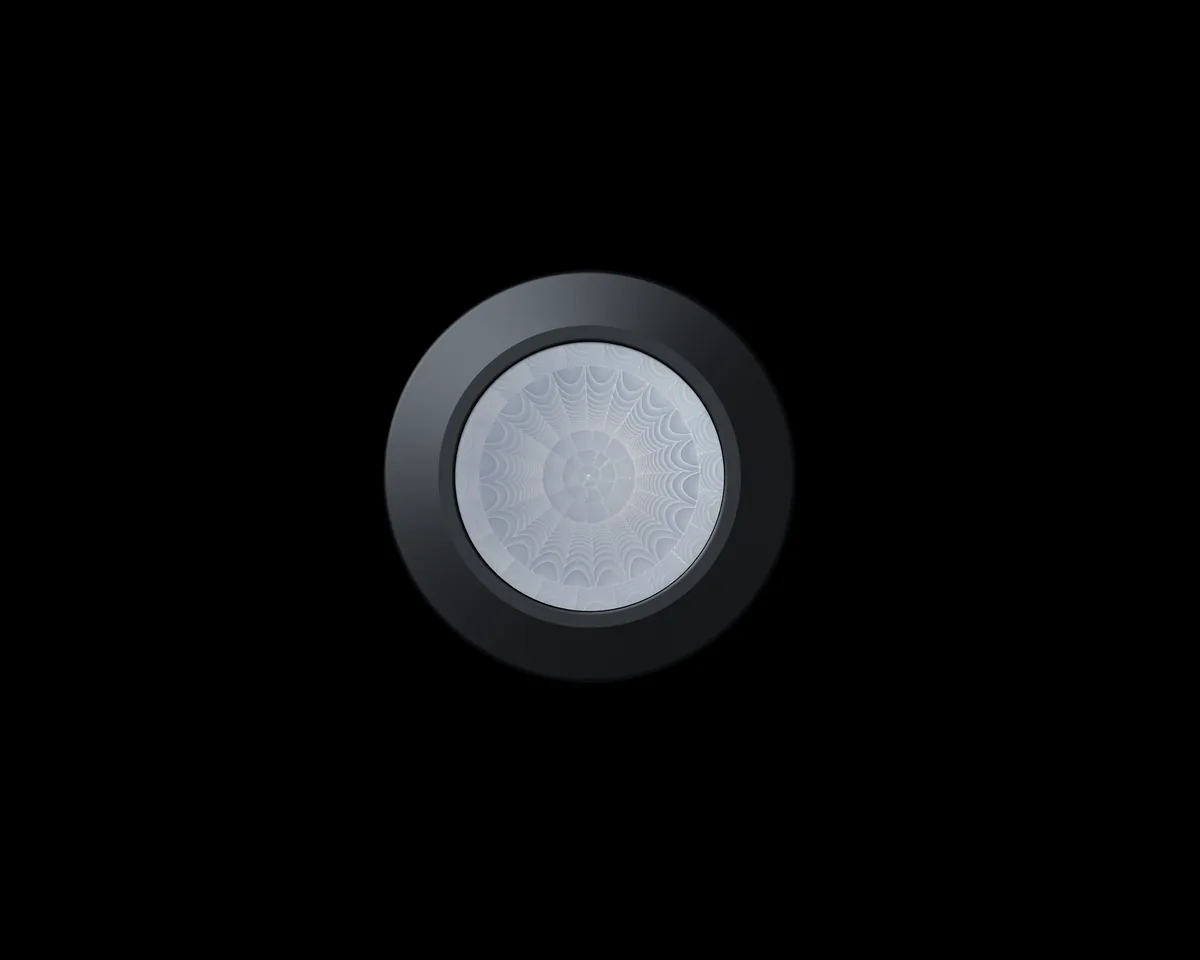
- Presence and absence detection by zone
- Daylight harvesting with dimming or row switching
- Sensor failure fallback and logged overrides
Scenes, circadian control and façade lighting
Scenes are a building standard, not a personal preference. A meeting room, a reception area, a restaurant and a guest room each need a small set of defined states: welcome, work, presentation, evening, cleaning. We keep the list short and name the states the same way across floors, so a facilities team can move between buildings without relearning the interface. Circadian tuning can shift colour temperature through the day where the luminaires support it, and tunable white scenes need a defined colour target, not a slider left to the occupant. Façade and signage lighting follow a separate schedule, often with astronomical timing and a curfew. All of it is configured once in the engineering environment and deployed consistently to every zone of the same type. Scene fade times matter as much as levels; an instant change reads as a fault.
- Short, named scene sets by room type
- Tunable white and circadian sequences where supported
- Façade and signage schedules with curfew
Device selection and wiring topology
Device selection follows the zone and the sequence. A DALI driver is chosen for dimming range and fault reporting; a relay for the load and duty; a presence detector for mounting height, lens and coverage; a daylight sensor for orientation and range. DALI power supplies are sized for the number of drivers and the standby load, and the line is laid out so that a single failure does not take down a whole floor. Relay panels use contactors rated for the actual load, with manual isolation for maintenance. KNX and Tree buses follow their own topology rules and segment limits. The panel drawings record circuit, zone, address and sensor, and spare ways are labelled rather than left blank. Every panel is labelled to the same convention as the drawings, because maintenance happens under time pressure.
- Drivers, relays and sensors selected by duty
- DALI power and line layout planned per floor
- Circuit, zone, address and sensor recorded on panel drawings
Interfaces, alarms, commissioning and handover
Lighting is also a diagnostic network. DALI reports driver and lamp faults; relays report contactor status; presence sensors report activity and health. We map those signals into the alarm model with a location and a priority, then link lighting to access, fire and security events. An access event can bring a floor to life; a fire alarm can raise emergency lighting through the life-safety system, not through the lighting control layer; a vacant tenant area can drop to a low level. Commissioning includes addressing, scene and dimming tests, daylight calibration with a meter, and a check that overrides expire. Handover includes the zone schedule, scene list, DALI addressing records, panel drawings, tested backup and operator training on scenes and permitted changes. Trends for scene use and manual overrides show where the design and the actual operation disagree.
- Lamp and driver faults routed as alarms
- Lighting responds to access and occupancy events
- Zone schedule, scene list and addressing records at handover
Lighting applications, control approach and commissioning
14 rows| Application | Zone and control approach | Typical interface | Commissioning check |
|---|---|---|---|
| Open-plan office | Control groups with presence and daylight dimming | DALI, Tree sensors | Illuminance held at target across each group |
| Cellular office | Room presence with manual-on, automatic-off | DALI, KNX, relays | Detector hold time and override expiry |
| Meeting room | Scene control with occupancy and booking state | DALI, KNX, API | Scene recall and reset after vacancy |
| Boardroom | Layered scenes with AV and blackout mode | DALI, DMX, KNX | Presentation state and return to ready |
| Reception and lobby | Scene schedule with daylight compensation | DALI, DMX | Morning, evening and cleaning scenes |
| Circulation and stairs | Presence with timed dim-down | DALI, relays, sensors | Detection coverage on landings and stairs |
| Washrooms | Presence with run-on timer and fan interlock | DALI, relays | Run-on time and fan follow-on |
| Car park | Presence and CO control by bay group | DALI, relays, sensors | Detector coverage and CO sensor calibration |
| Restaurant and bar | Scene layers with local override | DALI, DMX | Low-level dimming curve and scene fade |
| Retail floor | Scene schedule with merchandise lighting | DALI, DMX | Colour consistency and scene recall |
| Façade and signage | Astronomical schedule with curfew | DMX, relays | Clock, curfew and failsafe off |
| Plant rooms and back of house | Manual-on, automatic-off with alarms | Relays, DALI | Safe egress and circuit fault reporting |
| External and landscape | Schedule with photocell and local override | Relays, DALI | Photocell threshold and seasonal timing |
| Emergency lighting monitoring | Status only, through the life-safety system | Dry contacts, gateway | Monitoring does not replace the emergency system |
Project images
3 images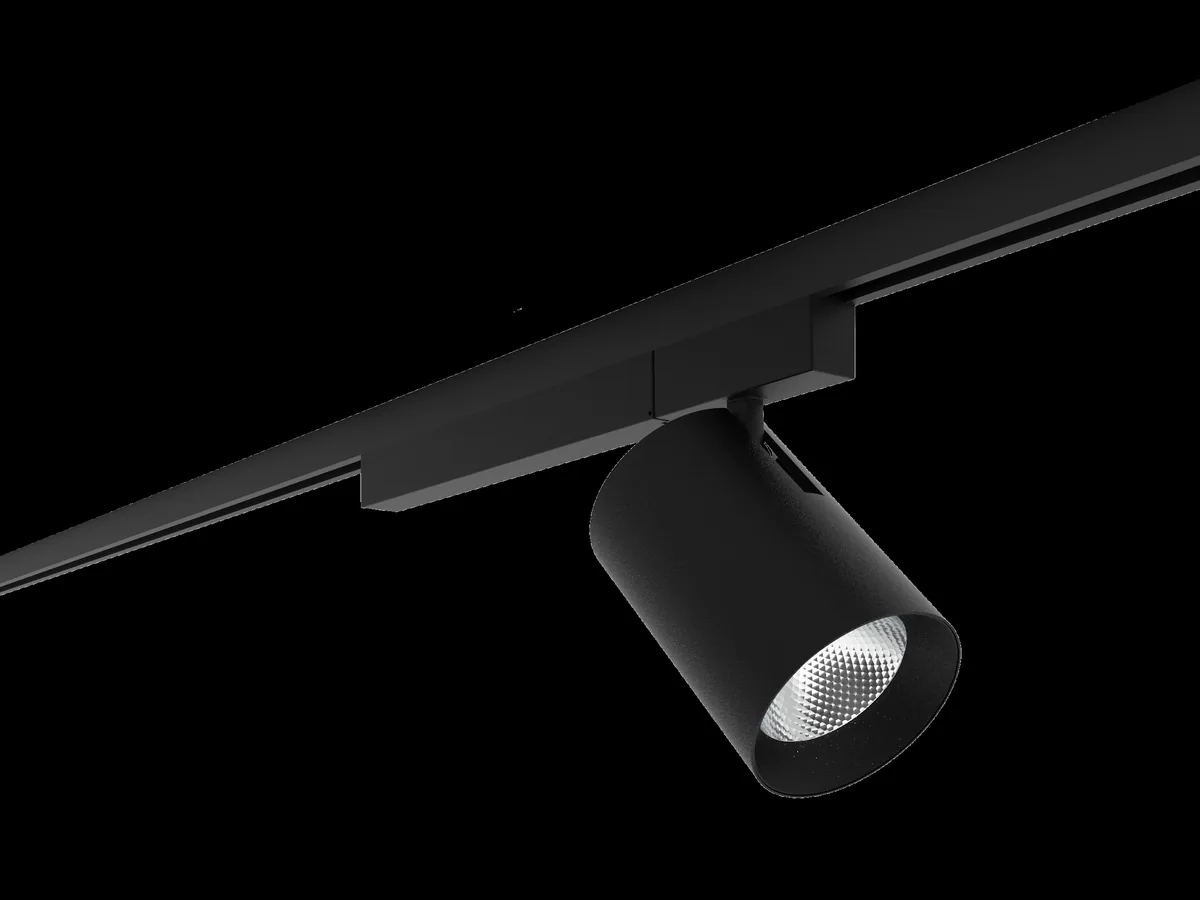
Frequently asked
01Can Loxone control DALI lighting?
Yes, through DALI interfaces, with groups, scenes and individual addressing, plus fault feedback where the drivers support it.
02Do we have to replace our luminaires?
Not usually. Existing DALI gear can often be reused; mains circuits need relays or dimmers. The audit confirms what is compatible.
03How does daylight harvesting work?
A daylight sensor measures illuminance, and the control logic dims or switches rows to hold the target. Setpoints are commissioned against the actual space, not left at a default.
04Can lighting respond to access control?
Yes. A door event enters the lighting logic through the integration and triggers a zone scene. The lighting layer does not store credential data.
05Is emergency lighting part of this scope?
No. Emergency lighting remains a separate life-safety system. The platform may monitor its status through dry contacts, but it does not replace the emergency system.
06How are lighting faults reported?
DALI lamp and driver faults, relay status and sensor health are mapped into the alarm list with a location, and the same points are trended.
07Can different tenants have different scenes?
Yes. Scenes and permissions can be configured by role and by zone, with a template applied per floor while tenant-specific areas keep their own settings.
Next step
Bring us the building.
Tell us the building type, systems in scope and the outcome you need. We will map the shortest path to a working system.