Platform
The intelligence layer, made concrete.
A flat, open architecture built on Loxone: local control at the edge, one data model in the middle, a clear operating picture on top.
01 / Layers
Three layers with explicit responsibility.
Every layer has a defined job — and a defined failure boundary.
Application
Operator experience & business decisions
Dashboards, mobile access, reports, tenant and guest views, portfolio rollups. Every role sees the building at the resolution it needs.
Supervision
One data model, one alarm model
The integration core normalises every subsystem into a common object model, then applies schedules, interlocks, alarm routing and audit logging.
Device
Open protocols & local control
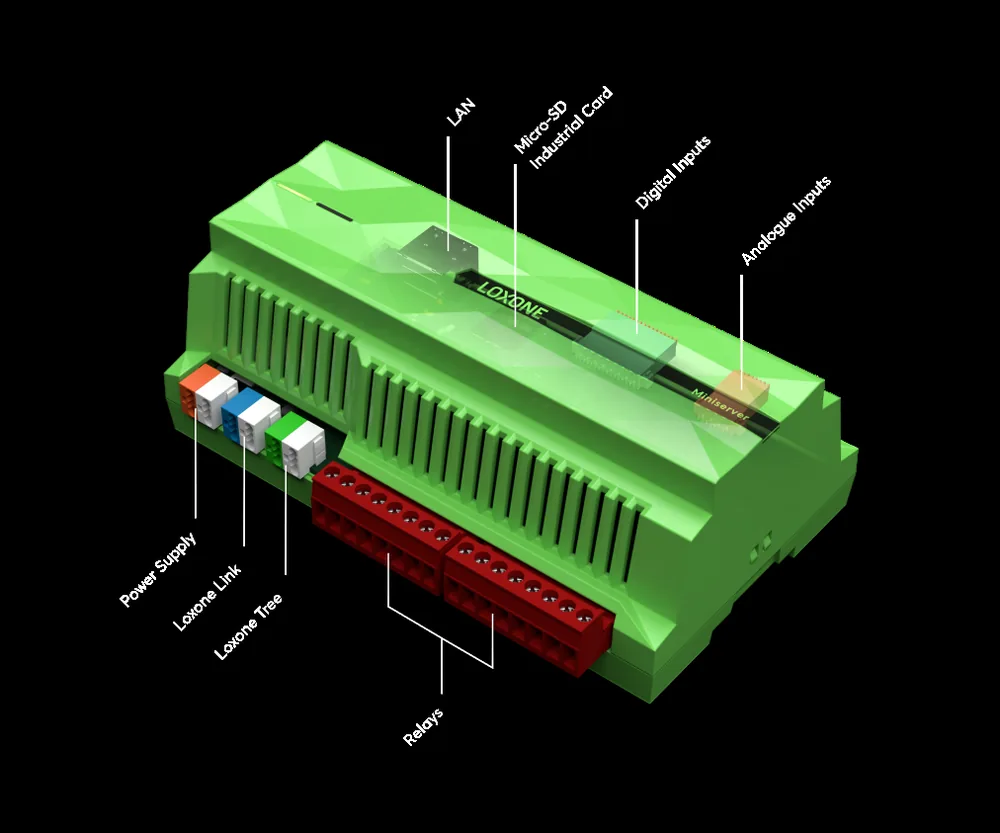
Loxone controllers and gateways connect the plant room, the floor and the guest room. Control stays local; the platform supervises.
Open protocols, local control
A day in the life
One building, four moments, one system.
What the platform does between the design workshop and the operating year.
07:40
A tenant arrives
Access releases the floor. Lighting, HVAC and CCTV respond; the operator sees one event, not four.
09:15
A plant alarm
The alarm is normalised, ranked and routed to the engineer on shift. The trend is attached.
14:00
A meeting room changes
Booking, occupancy and CO2 drive ventilation and cooling before the room is full.
22:00
The building empties
Unoccupied zones drop to energy-safe modes; the night report is assembled from trend data.
01 / Core components
A small stack that reaches every room.
Hardware and software selected for the building, not for the showroom.
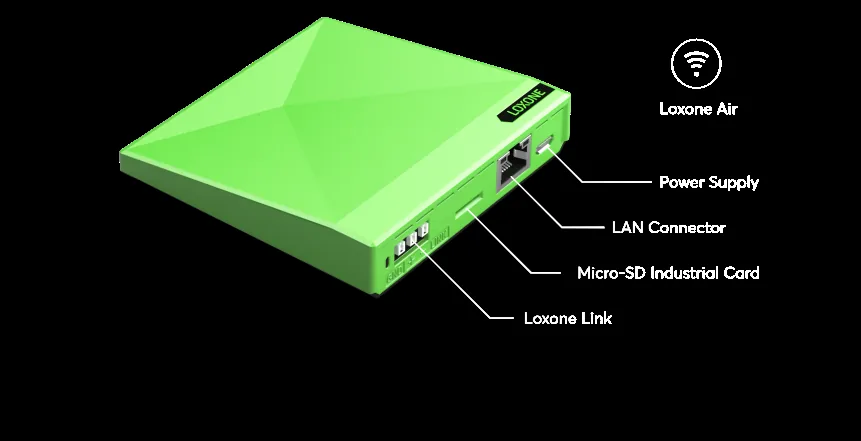
Miniserver
The local controller that runs schedules, interlocks and sequences without a cloud connection.
Tree & Air
One cable for Tree devices, reliable wireless for retrofit. Fewer home runs, faster commissioning.
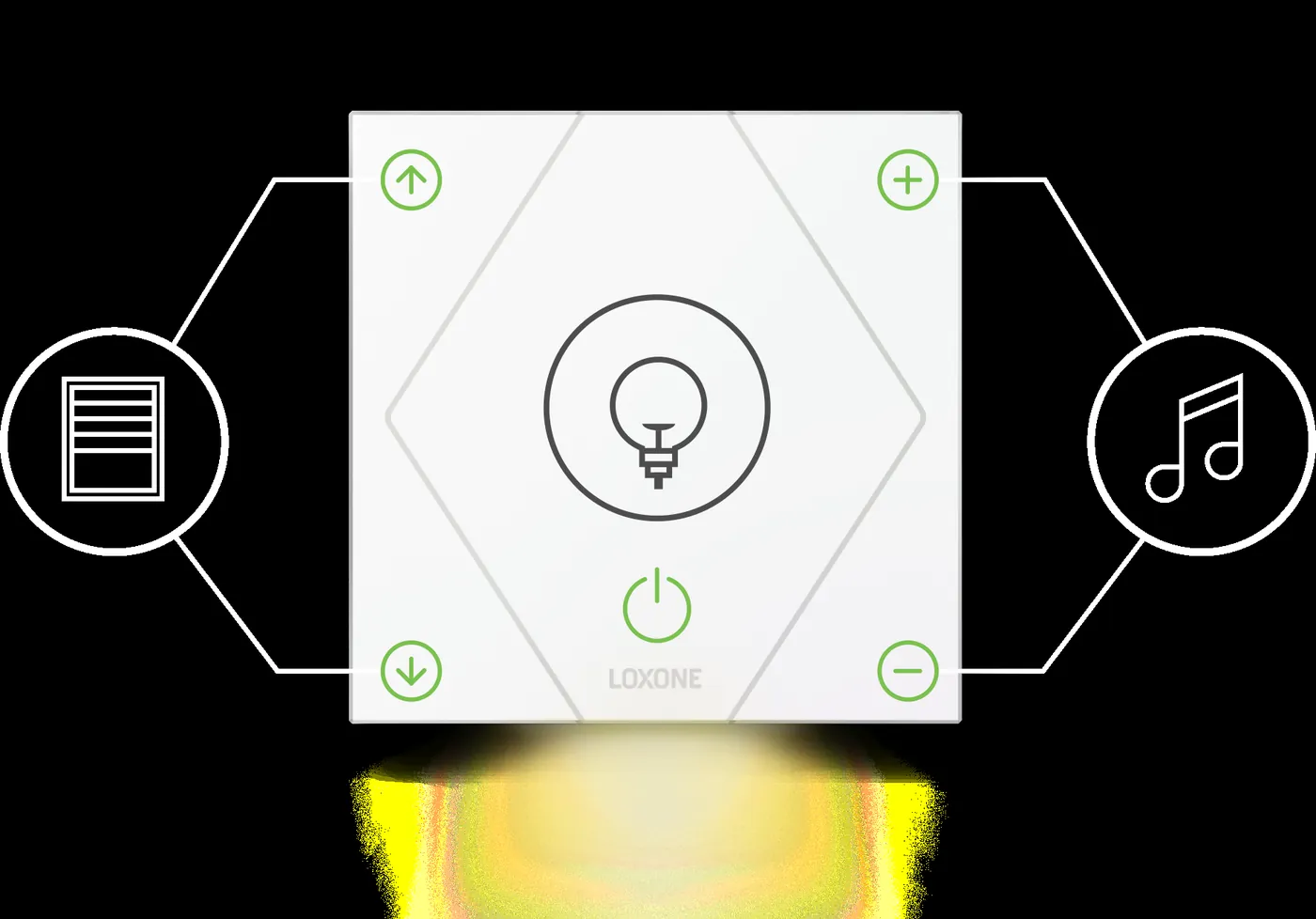
Link & gateways
BACnet IP, Modbus, KNX, DALI, DMX, RS485 and dry contacts bring third-party systems into the same model.
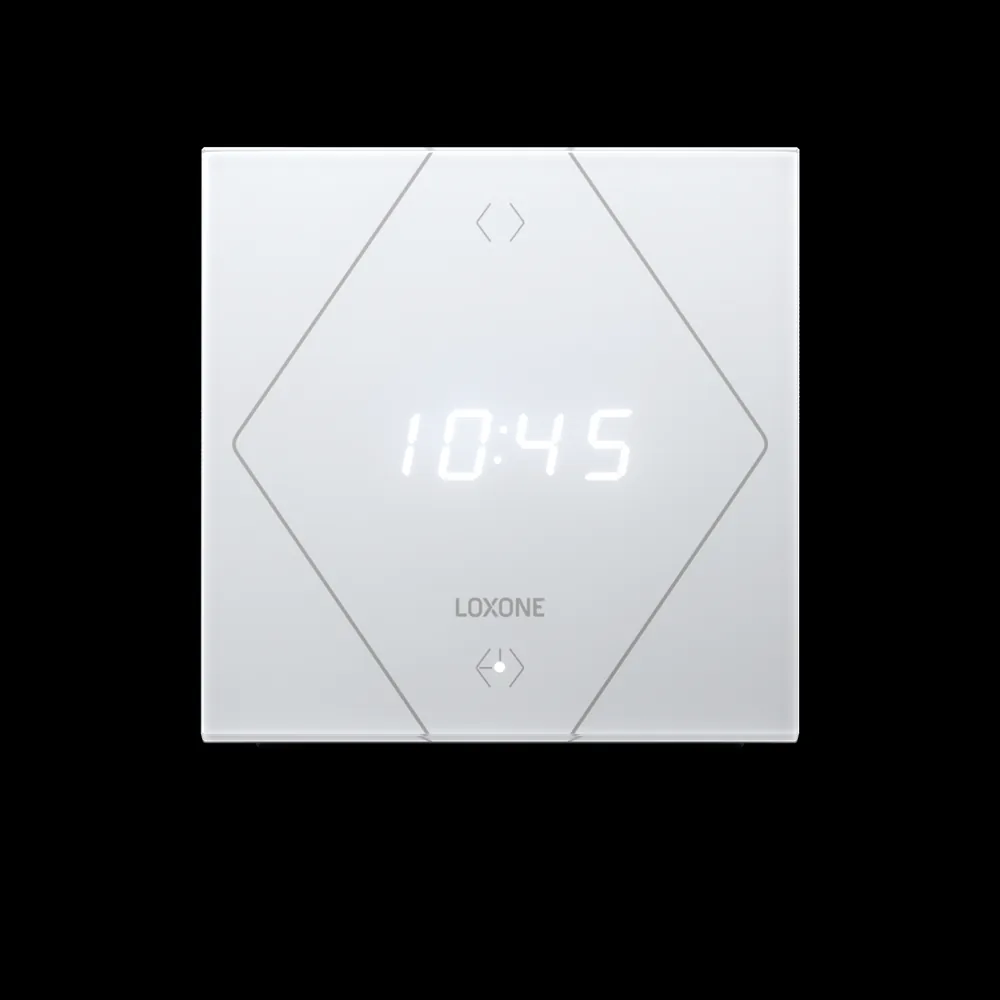
Config & App
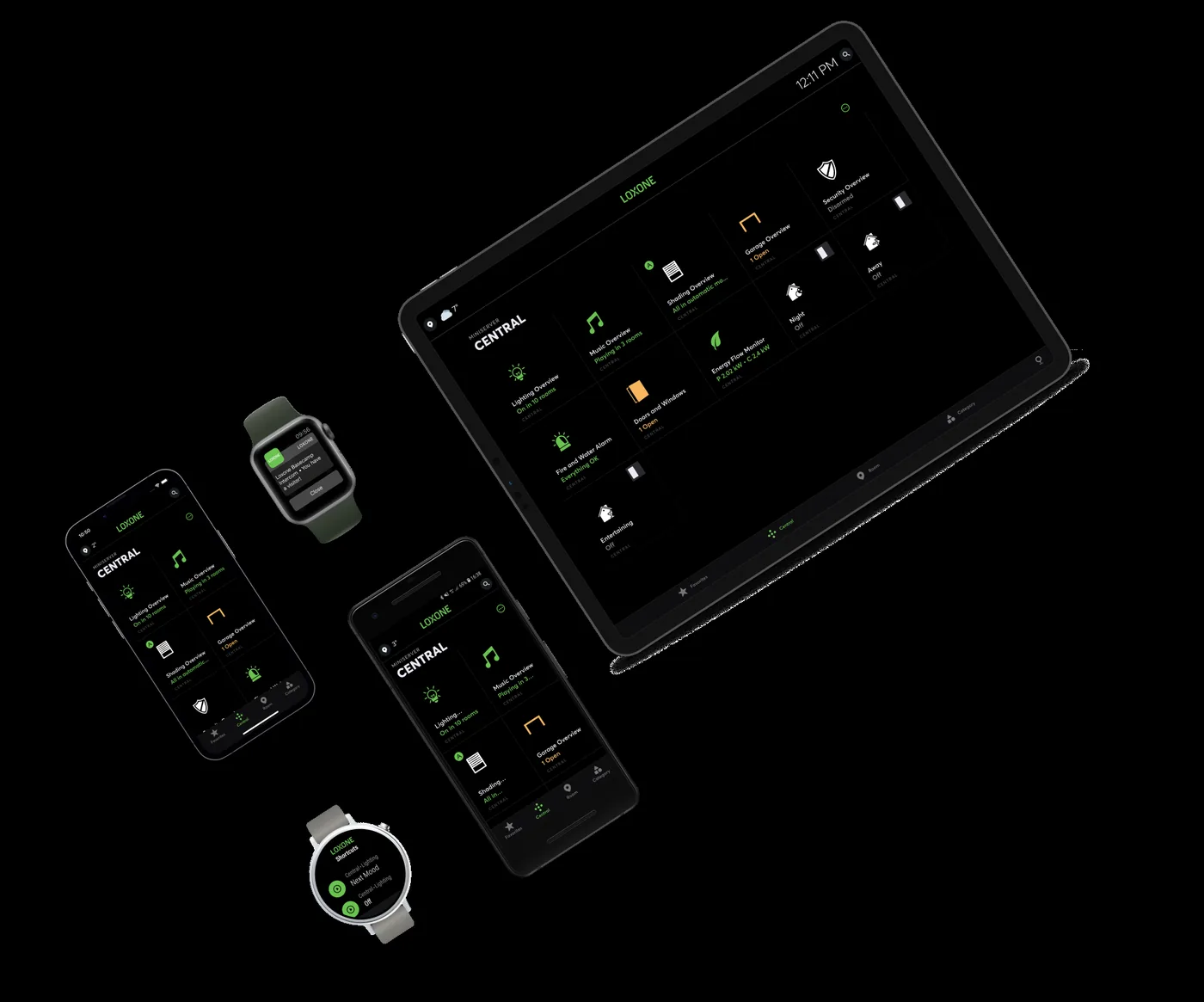
Engineering environment and operator app. Role-based views, alarms and trends on web and mobile.
Exosphere
Portfolio-level building management for commercial teams that need cross-site reporting and benchmarking.
Open by default. Data stays portable.
BACnet, Modbus, KNX, DALI, REST and ODBC. The building’s data belongs to the owner.
See the integration matrixHardware
The devices behind the picture.
Sensors, controls, lighting and app — selected for the building, not the showroom.
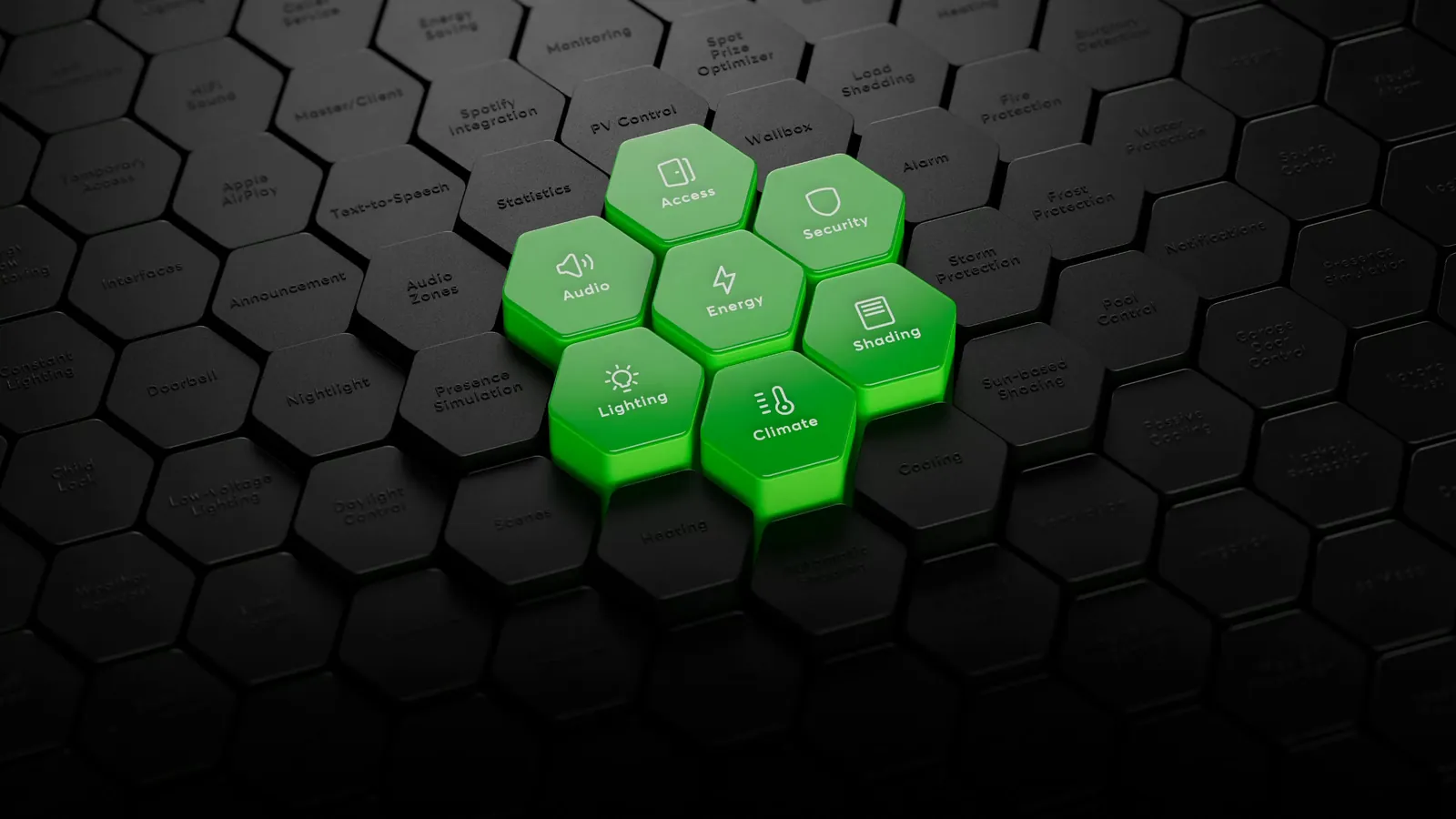
Touch controls
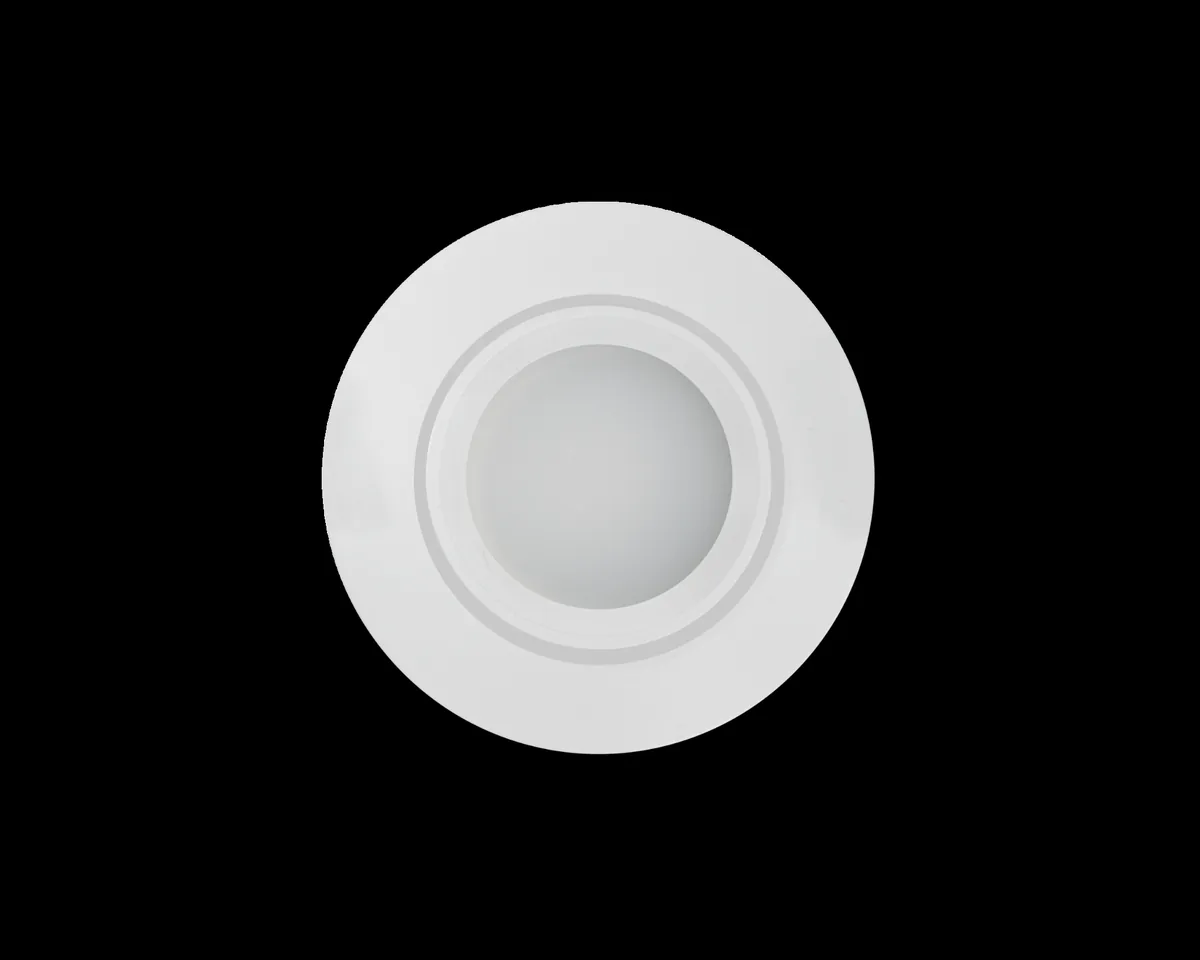
Air-quality sensors
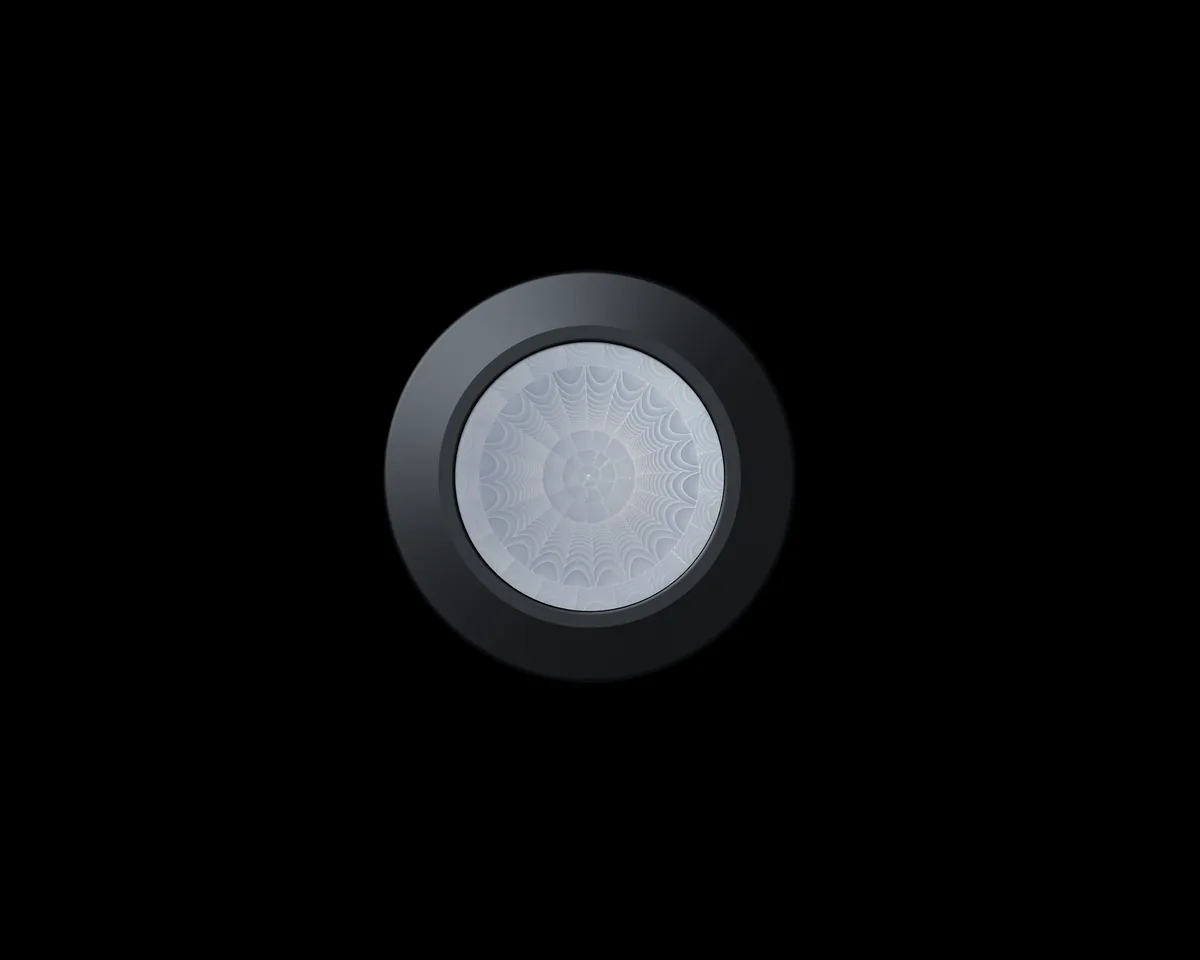
Presence sensors
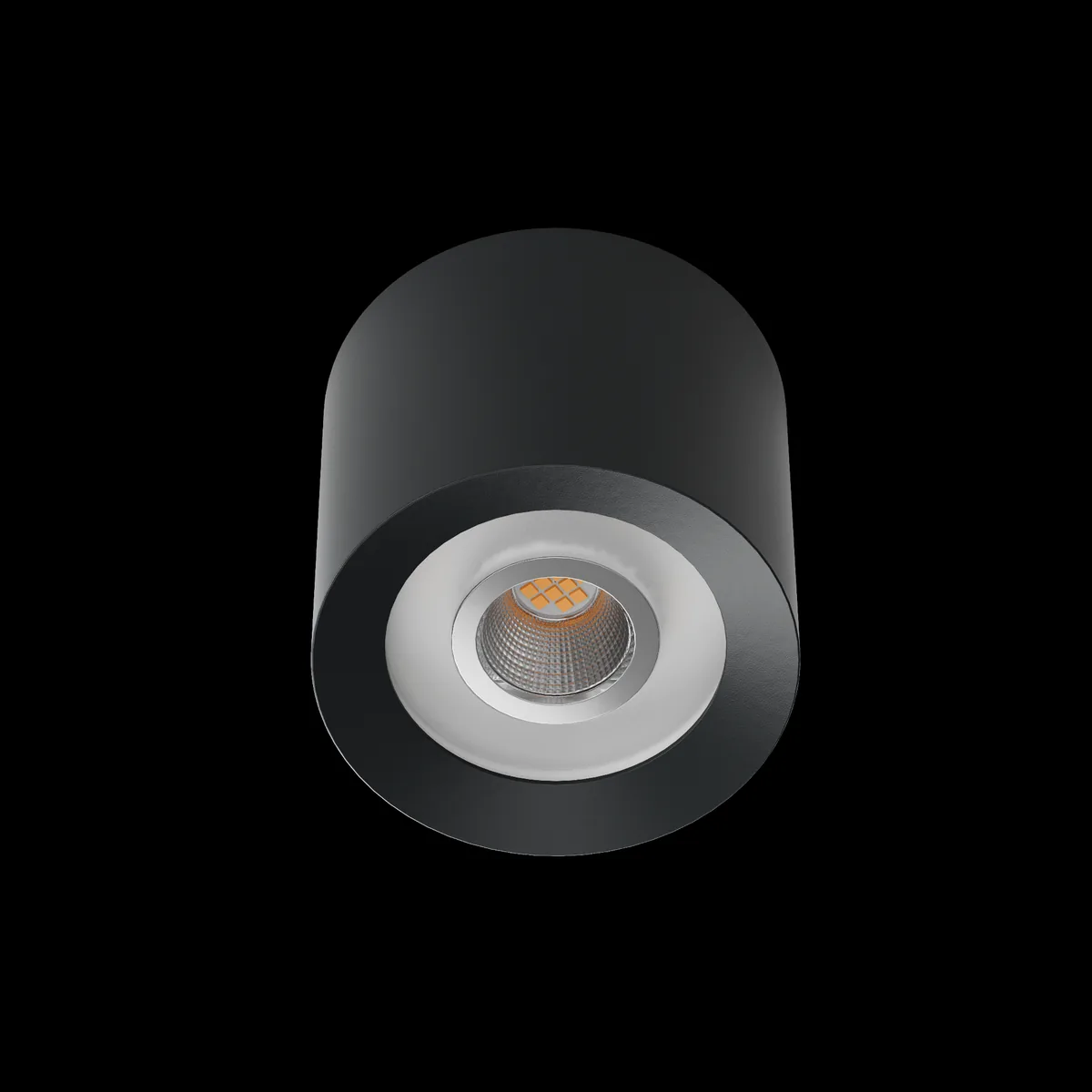
Downlights
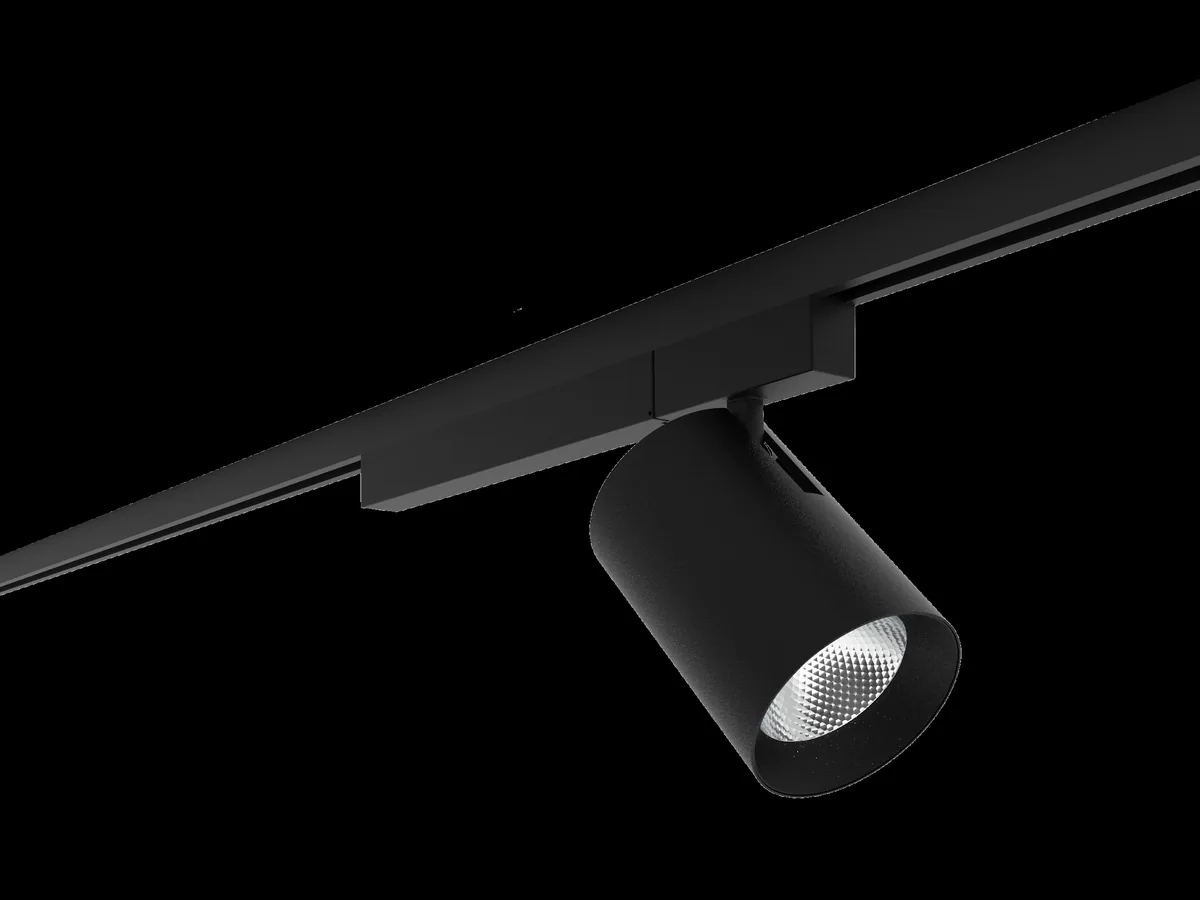
Track lighting
App & dashboards
02 / Integration matrix
What connects, through what, and what it does.
A representative matrix. The project-specific version is produced after the audit.
| Subsystem | Typical interface | What the platform does |
|---|---|---|
| HVAC & plant | BACnet/IP, Modbus, 0–10 V, dry contacts | Schedules, setpoints, alarms, plant sequencing, trend logs |
| Lighting | DALI, DMX, KNX, relays | Scenes, occupancy control, daylight harvesting, fault monitoring |
| Shading | KNX, Modbus, dry contacts | Solar tracking, wind protection, scene control |
| CCTV | ONVIF/RTSP via VMS, API | Camera map, live view, event linkage, recording status |
| Intrusion alarm | Dry contacts, API | Zone status, arm/disarm, alarm routing |
| Access control | OSDP/Wiegand via controller, API | Door status, remote release, event log, CCTV linkage |
| Guard tour | API, ODBC | Route plans, checkpoint records, exception reports |
| Parking | API, TCP/IP | Entry/exit status, space counts, exception alerts |
| Public address | API, dry contacts | Zone status, scheduled announcements, emergency override |
| Conference rooms | API, booking system | Occupancy state, AV and HVAC pre-conditioning |
| Information displays | API, TCP/IP | Device health, content status, fault alerts |
| Computer rooms | Modbus, SNMP via gateway, dry contacts | UPS, precision cooling, leak, temperature and humidity |
| Hotel PMS | ODBC, API | Check-in/out events, room status, guest-mode HVAC and lighting |
| Guest room control | RCU via Modbus/API | Room state, scenes, service requests, energy limits |
| Fire alarm | Dry contacts, supervised inputs | Alarm and pre-alarm status; fire system retains authority |
Interface availability depends on the installed equipment and its configuration. We confirm every row during the audit.
Download the matrix (CSV)03 / Engineering targets
The numbers we design to.
Performance targets from the IBMS project specification. Final values are confirmed against the building network, controller layout and scope.
| Maximum monitored points | Scalable by controller; no fixed platform ceiling |
| Real-time data refresh | ≤ 2 s |
| Control command delivery | ≤ 2 s |
| Cross-system interlock | ≤ 1 s |
| Concurrent operators | 999 |
| Deployment | On-premise / local network; optional secure remote access |
These are engineering targets, not a warranty. Site conditions, network design and third-party interfaces affect actual performance.
04 / Security & resilience
Local first. Secured by design.
A building is critical infrastructure for the people who use it. The control layer should keep working when the internet does not, and should be explicit about who can change what.
Local control, secured by design
No mandatory cloud
Core control and history stay on site. The building keeps working if the internet does.
Role-based access
Operators, engineers and management see only what they need.
Two-factor remote access
Remote connections are explicit, logged and revocable.
Audit trail
Every command, setpoint change and acknowledgement is recorded.
Backup & restore
Configuration and history are backed up on a defined schedule.
Network segmentation
OT traffic is separated from tenant and guest networks.
05 / Platform questions
Questions, answered
The things owners, consultants and integrators ask us most.
Do we have to replace existing systems?
Can the building run without the internet?
Which protocols do you support?
How long does a typical project take?
Who owns the data?
How do you handle fire alarm?
Can you work with our existing integrator?

Next step
Map your building onto the platform.
Send the system list and the outcome you need. We will return a layer diagram, an integration view and the questions that still need answers.