
Energy & carbon
Energy management that ends in control.
For owners and operators who are tired of reports that describe the problem but cannot change the setpoint.
Quick answer
Metering, PV, storage and EV charging brought into one energy model, with the controls to act on it.
kWh — interval data at meter, floor and building level · PV — generation, storage and load in one model · OCPP — EV charging integrated with building load
kWh
interval data at meter, floor and building level
PV
generation, storage and load in one model
OCPP
EV charging integrated with building load
01 / The challenge
The daily reality
Most buildings have enough meters. What they lack is a connection between consumption, cause and control.
Energy data lives in utility portals, not in the operating picture.
Baselines are rebuilt manually for every reporting cycle.
PV, storage and EV charging are controlled by separate vendors.
Savings are claimed without a measurable baseline.
02 / Scope
What we bring into one model
Typical scope for an energy-led project. Final scope follows the audit.
Sub-metering
Electricity, water, gas and thermal energy at the right boundaries.
PV & storage
Generation, state of charge and site-load coordination.
EV charging
OCPP charging points with load management and billing data.
HVAC load
Setpoint discipline, scheduling and demand limiting.
Baselines
Degree-day normalisation and consumption baselines by use.
Reporting
Interval exports, tenant allocation and management dashboards.
Alarms
Consumption anomalies, meter faults and equipment degradation.
Controls
Demand response, load shifting and setpoint actions.
03 / Outcomes
What changes for the operator
What the operating team actually feels after go-live.
A baseline you can defend
Normalised consumption and documented assumptions, not a spreadsheet rebuilt each quarter.
Savings with a control path
The same platform that measures consumption can change schedules, setpoints and loads.
One energy narrative
PV, storage, EV charging and building load are reported together.
Anomalies that surface early
Meter and equipment faults are raised before they become a quarter of unexplained consumption.
City scale
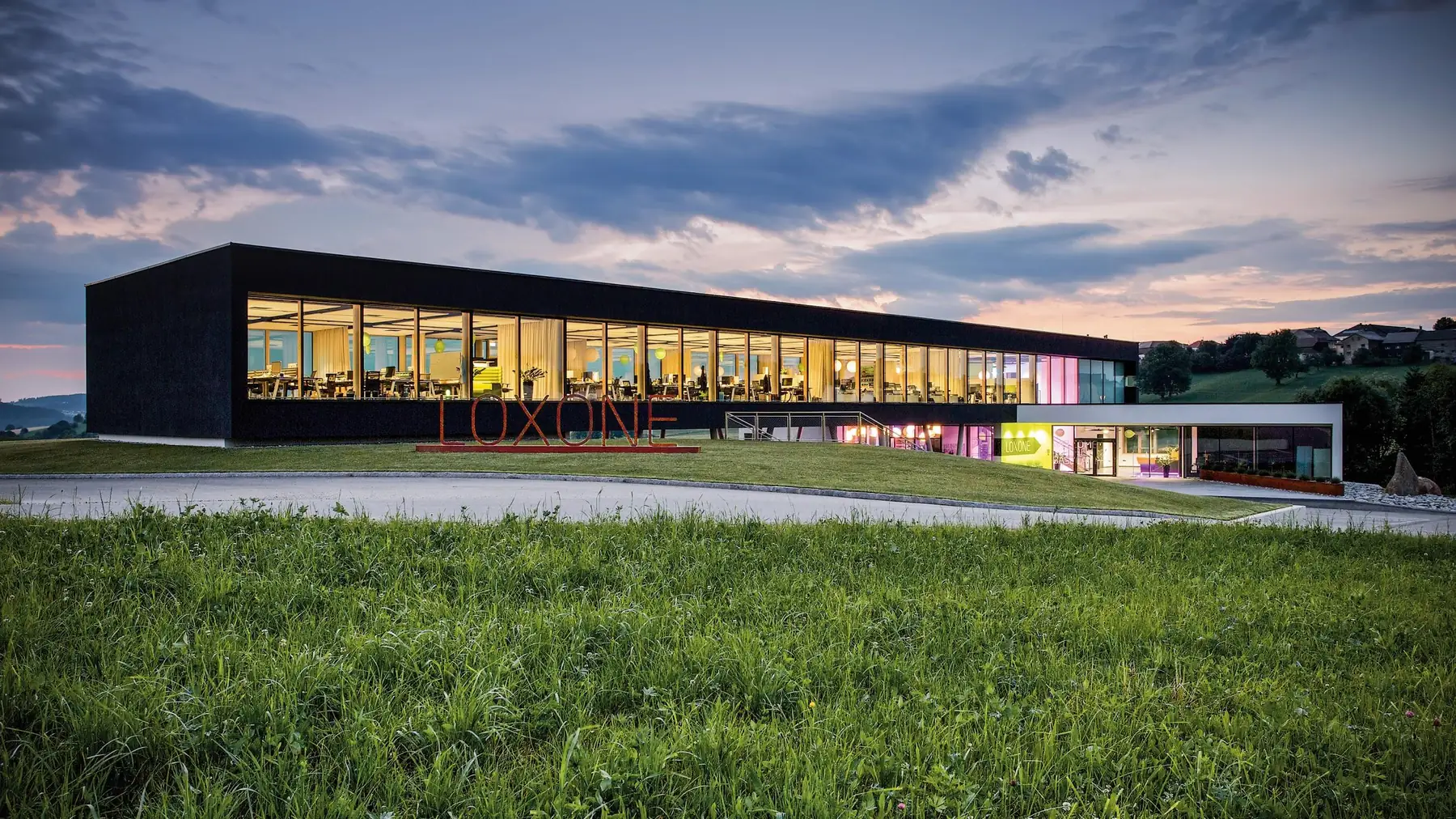
Spaces
What it looks like in the space.
From façade to room interior, the same integration logic.

04 / On the platform
How the solution lands on the three layers.
One architecture, tuned to the building type and operating model.
Application
Dashboards, mobile access, reports, tenant and guest views, portfolio rollups. Every role sees the building at the resolution it needs.
Supervision
The integration core normalises every subsystem into a common object model, then applies schedules, interlocks, alarm routing and audit logging.
Device
Loxone controllers and gateways connect the plant room, the floor and the guest room. Control stays local; the platform supervises.
05 / FAQ
Questions, answered
The things owners, consultants and integrators ask us most.
Do we need to replace our meters?
Can you integrate PV and storage?
How do you verify savings?
Is EV charging part of the platform?
06 / Related
The same architecture, another building.
Commercial & workplace
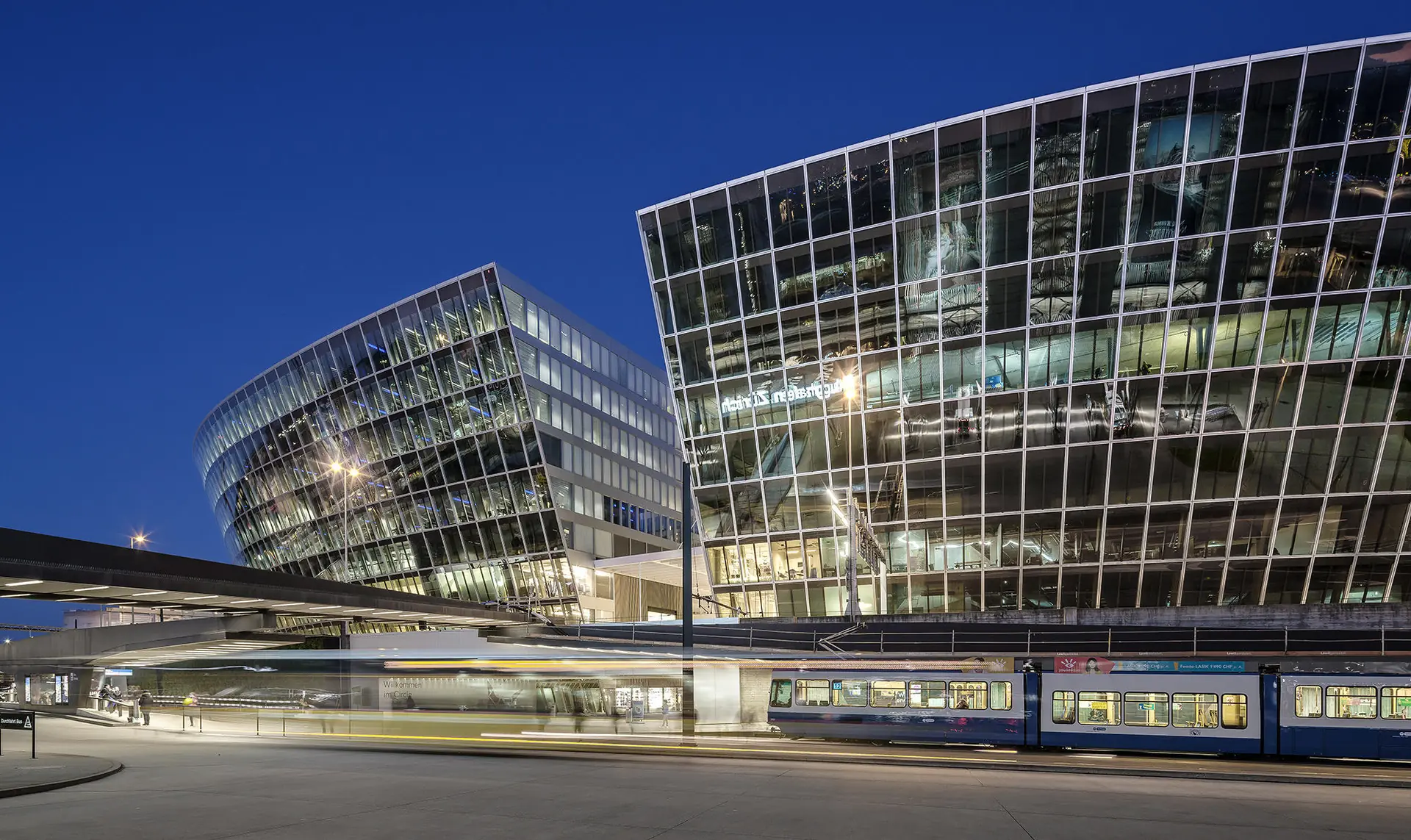
One building, many tenants, one operating picture.
Offices, campuses and mixed-use assets where facility teams need to run HVAC, lighting, access and energy as one system.
Explore
Hotels & hospitality
Guest comfort, without the energy bill.
Hotels, resorts and restaurants where room control, PMS, climate and energy need to work as one guest experience.
ExploreRelated insights
Go deeper on the engineering.
Technical notes that sit next to this solution.

IBMS architecture, explained: device, supervision and application layers
Most IBMS failures are architecture failures. Here is the three-layer model we use to keep integration flat, legible and maintainable.
Read more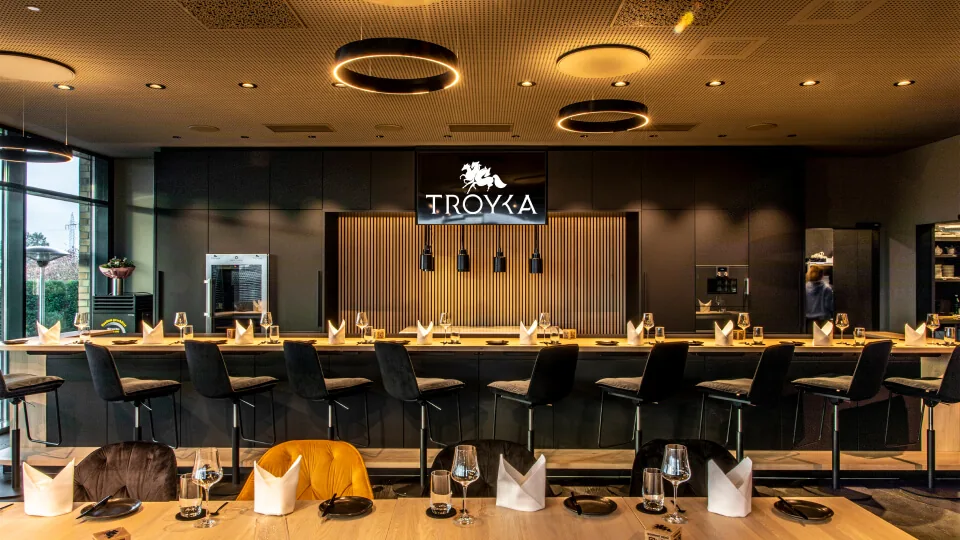
Hotel guest room control: what owners should specify
A guest room is a small building with a demanding user. The specification decides whether the room feels effortless or constantly slightly wrong.
Read moreNext step
Bring us the building. We will bring the operating picture.
Share the project stage, the systems in scope and the outcome you need. Our engineers will map the shortest path to a working IBMS.