Retrofit & modernisation
New intelligence, existing building.
For buildings that cannot be taken offline for a full replacement, but need one operating picture.
Quick answer
Existing buildings that need an IBMS layer without a rip-and-replace, with the plant and systems kept in place where they work.
Existing — plant and systems kept in place · Phased — delivery around occupied buildings · Open — interfaces to existing controllers
Existing
plant and systems kept in place
Phased
delivery around occupied buildings
Open
interfaces to existing controllers
01 / The challenge
The daily reality
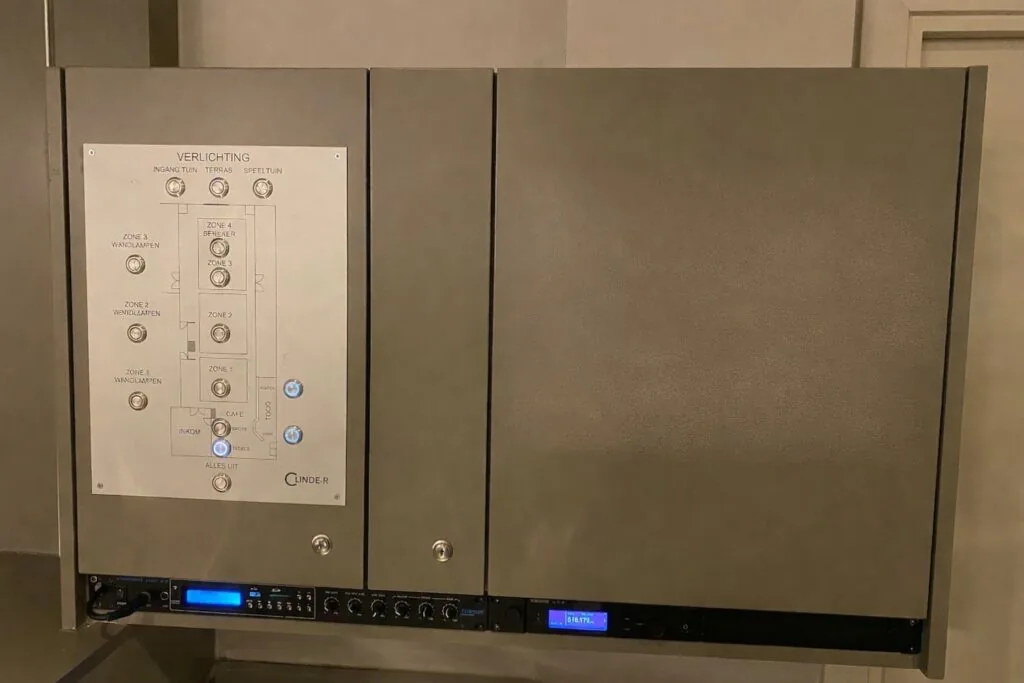
Most buildings already have controllers, meters and a BMS. The problem is not the equipment; it is the missing layer that makes it legible.
Protocols are undocumented, or documented incorrectly.
A single vendor controls the gateway and the data.
The building cannot be taken offline for a full cutover.
02 / Scope
What we bring into one model
Typical scope for an occupied building. Final scope follows the audit.
Gateways & adapters
BACnet, Modbus, KNX, DALI and dry contacts.
Existing BMS
Supervise plant-level control without replacing it.
Meters
Read existing meters through Modbus, pulses or utility APIs.
Lighting
Relight or integrate existing circuits and DALI gear.
Access & alarm
Use existing controllers where they expose an event stream.
Energy
Build a baseline from the data that is actually available.
03 / Outcomes
What changes for the operator
What the operating team actually feels after go-live.
Audit before scope
The interface list and point schedule are confirmed before commitments are made.
Keep what works
Existing plant, meters and controllers stay in place where they are reliable.
Phase by zone
Integrate floor by floor or system by system while the building keeps operating.
Open exit path
The integration layer is independent of any single subsystem vendor.
Existing building
Spaces
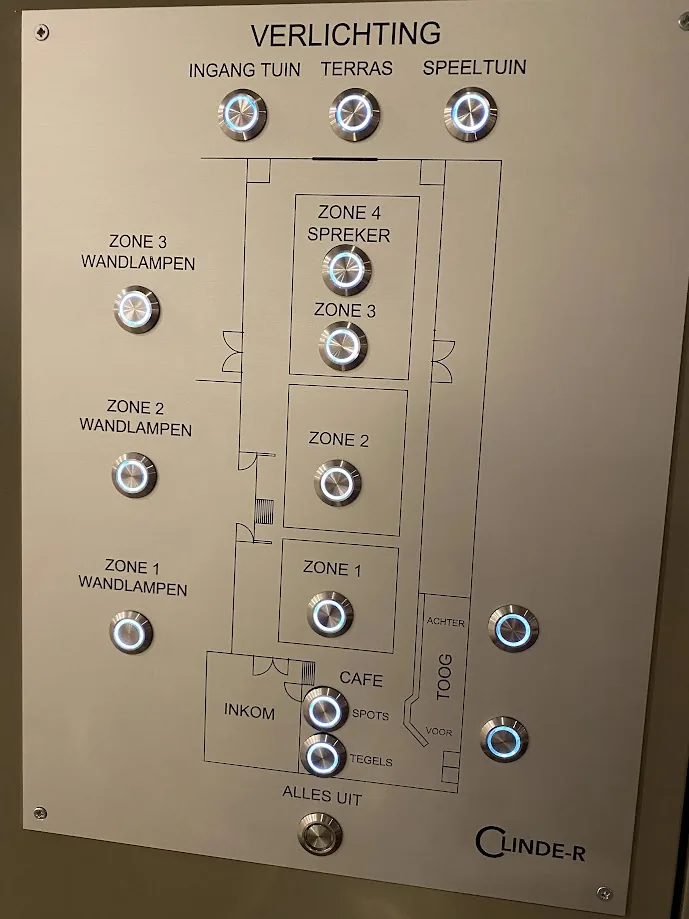
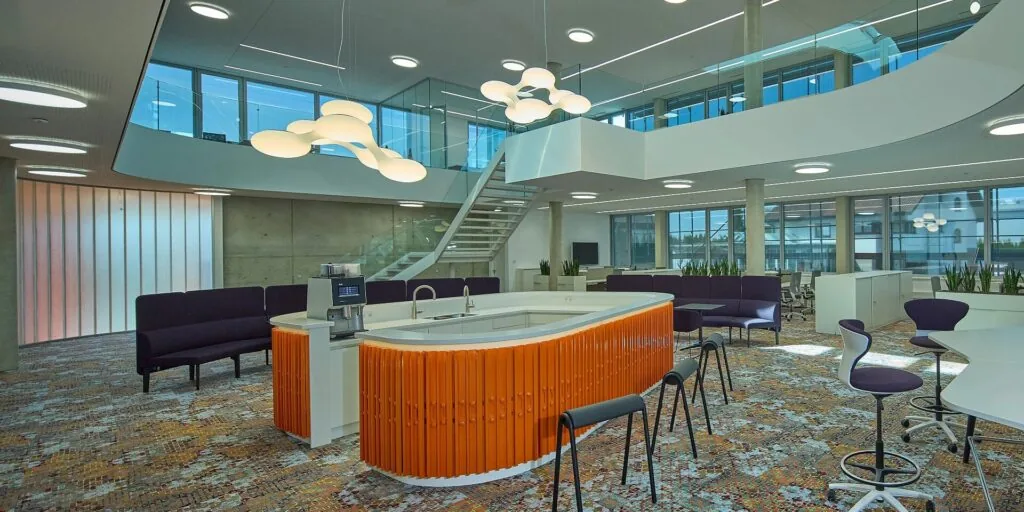
What it looks like in the space.
From façade to room interior, the same integration logic.
04 / On the platform
How the solution lands on the three layers.
One architecture, tuned to the building type and operating model.
Application
Dashboards, mobile access, reports, tenant and guest views, portfolio rollups. Every role sees the building at the resolution it needs.
Supervision
The integration core normalises every subsystem into a common object model, then applies schedules, interlocks, alarm routing and audit logging.
Device
Loxone controllers and gateways connect the plant room, the floor and the guest room. Control stays local; the platform supervises.
05 / FAQ
Questions, answered
The things owners, consultants and integrators ask us most.
Do we need to replace our BMS?
Can we keep existing meters?
How long does a retrofit take?
Can we integrate without downtime?
06 / Related
The same architecture, another building.
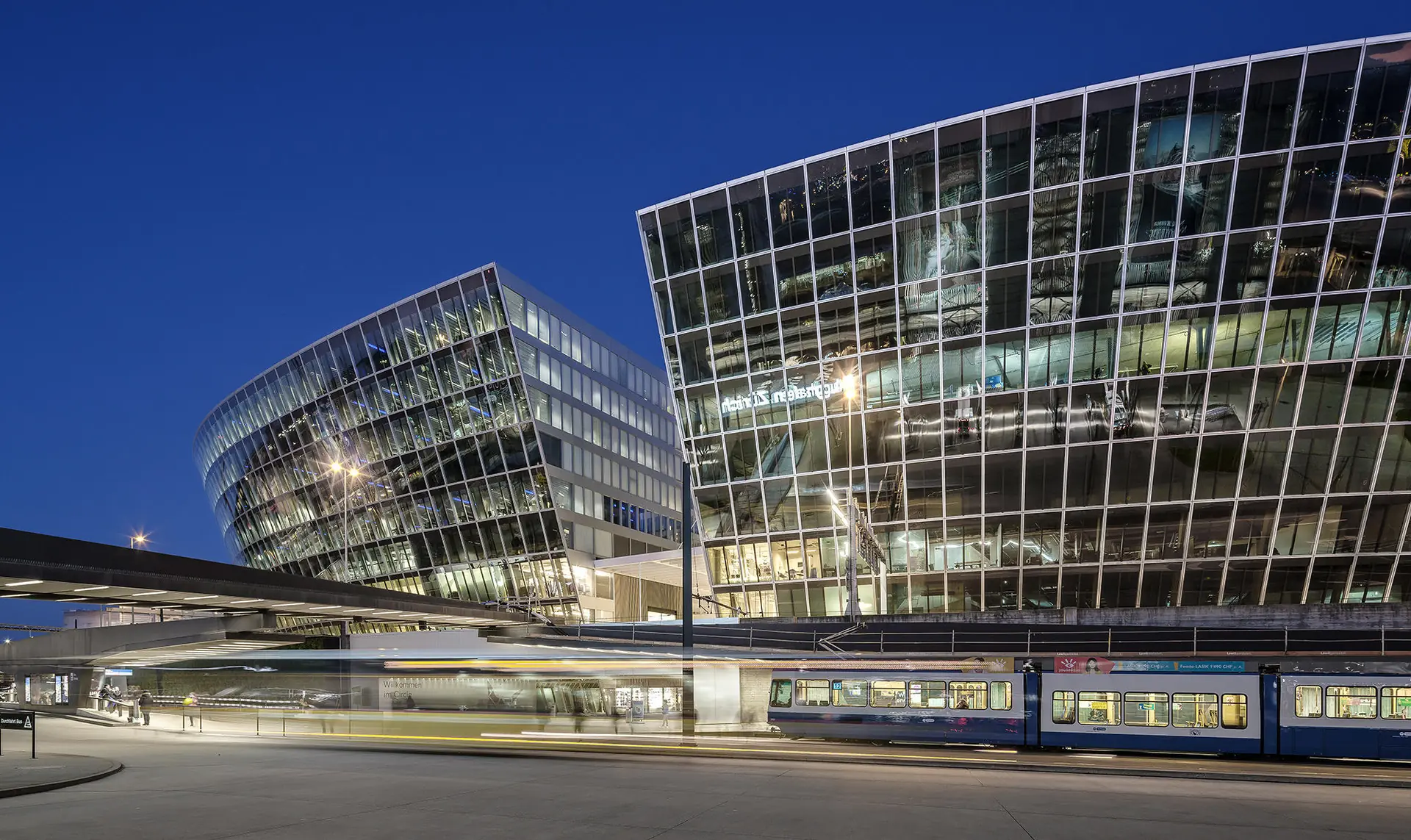
Commercial & workplace
One building, many tenants, one operating picture.
Offices, campuses and mixed-use assets where facility teams need to run HVAC, lighting, access and energy as one system.
Explore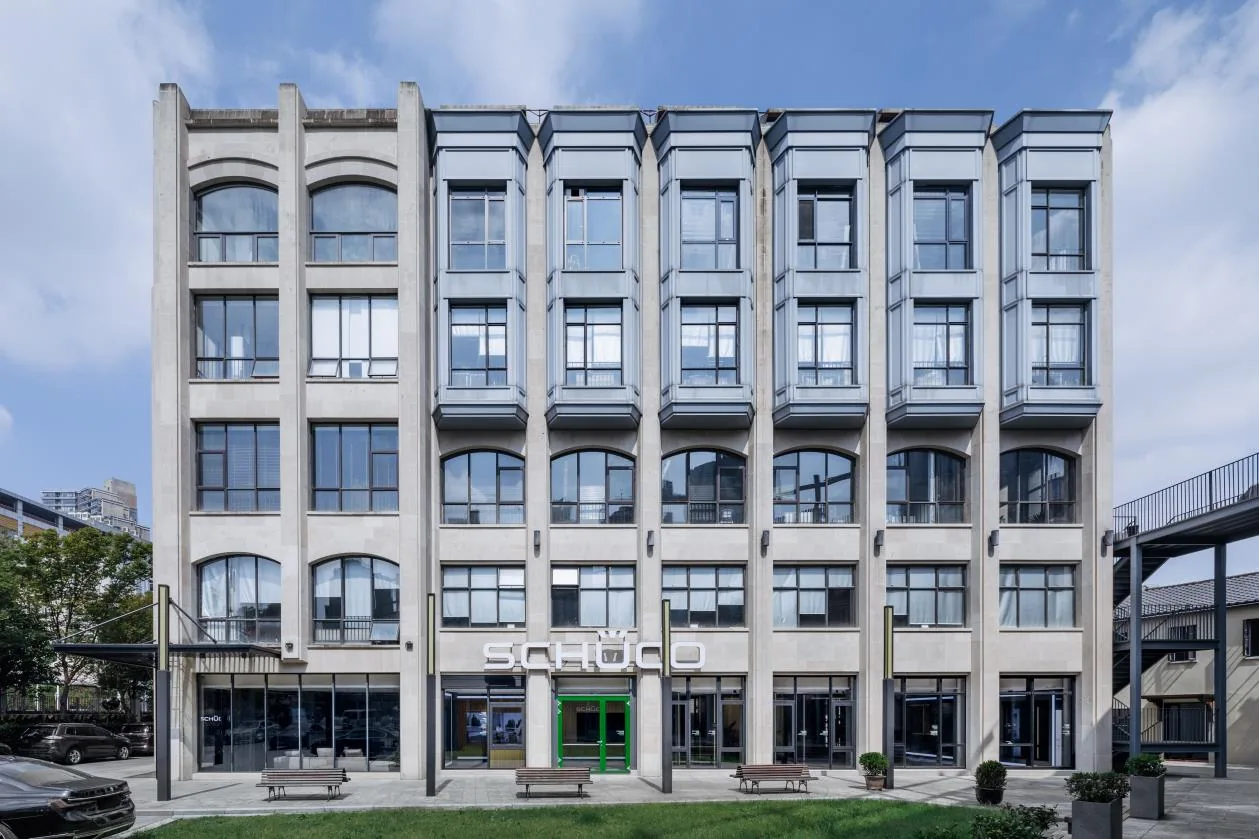
Residential & mixed-use
The building as a service.
Apartments, MDUs and branded residences where developers need lower operating cost and a better resident experience.
Explore
Next step
Bring us the building. We will bring the operating picture.
Share the project stage, the systems in scope and the outcome you need. Our engineers will map the shortest path to a working IBMS.