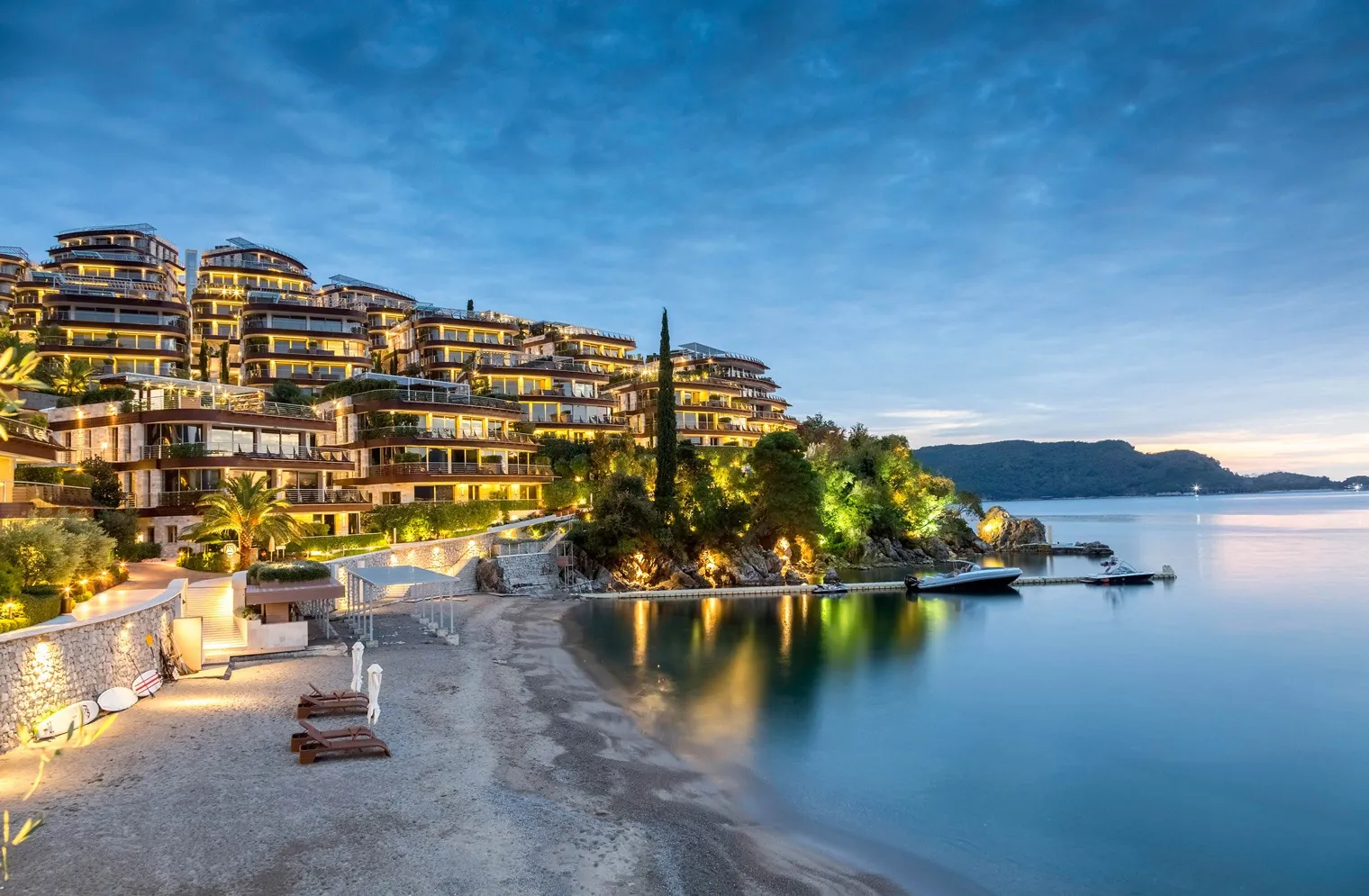
Hotels & hospitality
The room knows. The building responds.
For hotels and resorts where guest comfort, energy cost and back-of-house operations meet in the same room.
Quick answer
Hotels, resorts and restaurants where room control, PMS, climate and energy need to work as one guest experience.
1 — guest-facing experience across room systems · 15–30% — typical guest-room energy reduction from occupancy control · PMS — check-in and check-out events drive room mode
1
guest-facing experience across room systems
15–30%
typical guest-room energy reduction from occupancy control
Project-dependent
PMS
check-in and check-out events drive room mode
01 / The challenge
The daily reality
A hotel room contains more controllable systems per square metre than almost any other building type. When they are not coordinated, guests feel it and the energy bill shows it.
Room HVAC runs at full comfort while the room is empty.
Front desk has no live view of room state or service requests.
Lighting scenes and climate controls differ from room to room.
Energy and maintenance data sit in separate systems.
02 / Scope
What we bring into one model
Typical scope for a hotel or resort. Final scope follows the audit.
Guest room control (RCU)
Room mode, scenes, service requests, occupancy and energy limits.
Hotel PMS
Check-in/check-out events, room status and guest-mode pre-conditioning.
HVAC
Room and public-area climate, fresh air and plant sequencing.
Lighting
Scene control, occupancy logic and façade lighting.
Access control
Door status, room access events and staff permissions.
CCTV
Public-area camera map and event linkage.
Energy
Room-level and building-level metering with baselines.
Public address
Zone status and scheduled announcements.
03 / Outcomes
What changes for the operator
What the operating team actually feels after go-live.
Rooms react to occupancy
Empty rooms drop to an energy-safe mode; returning guests get a comfortable room before they open the door.
Front desk sees the room
Room state, service requests and faults are visible in one view, not three systems.
One scene standard
Lighting, shading and climate scenes are configured once and deployed consistently.
Energy becomes measurable
Room-level consumption is tracked against occupancy and outdoor conditions.
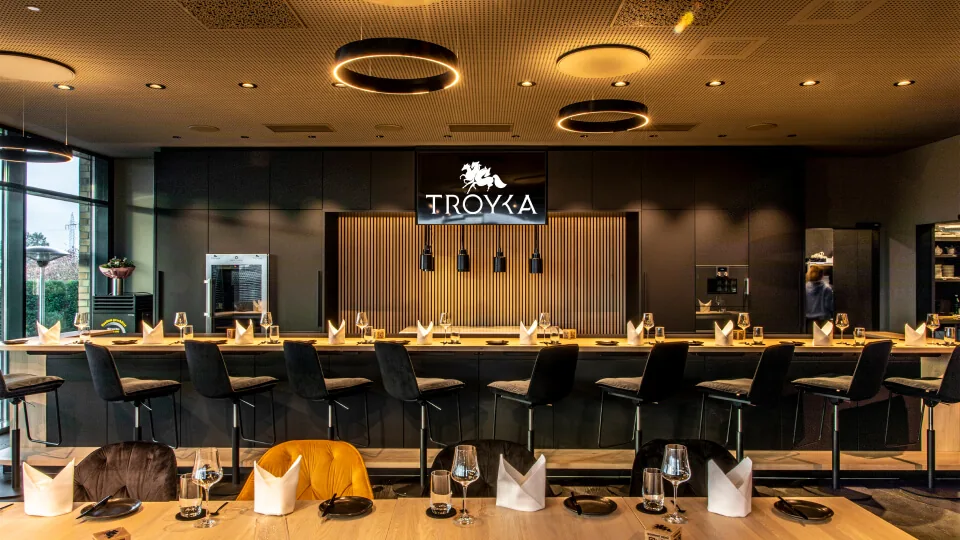
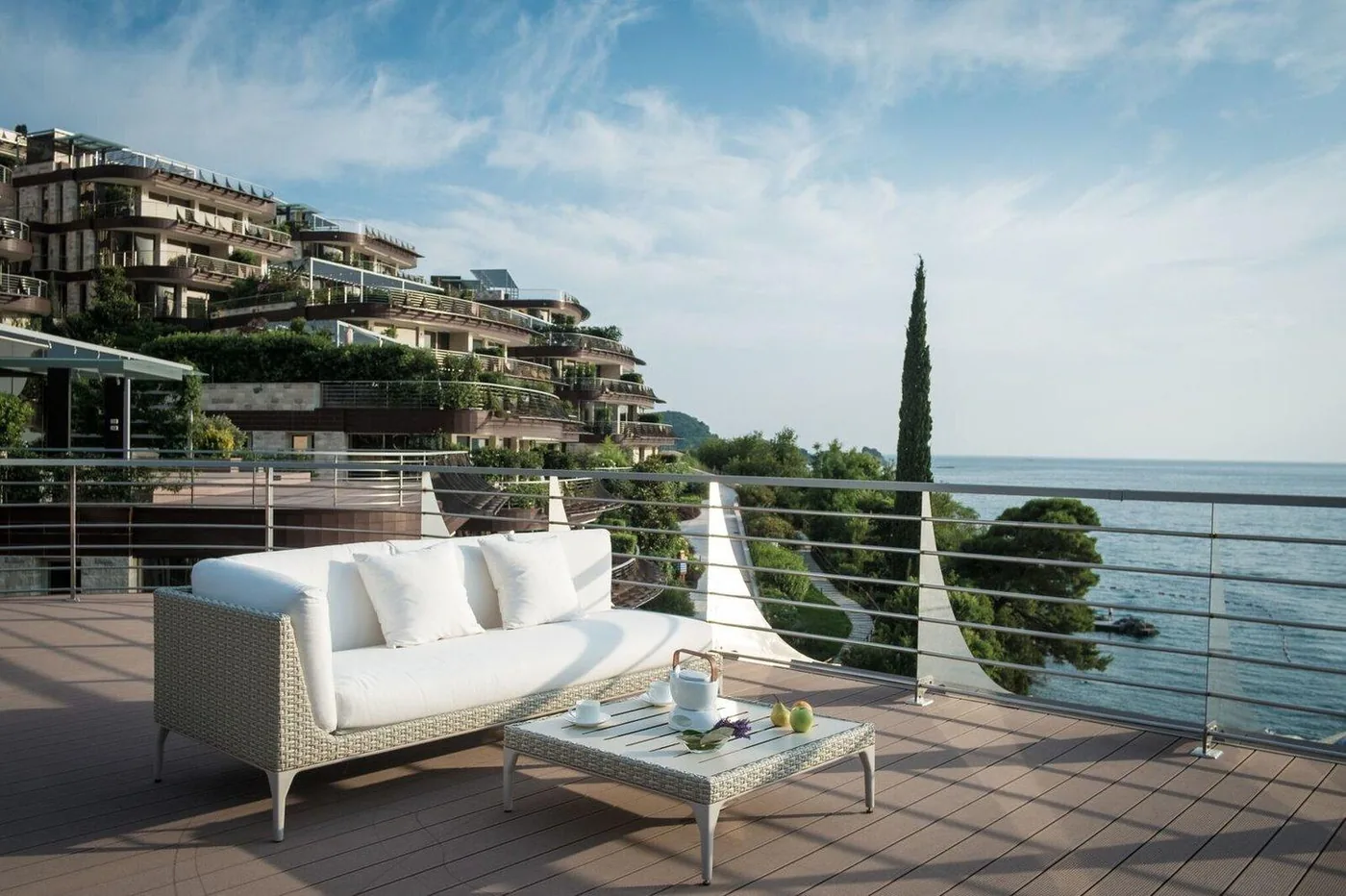
Resort
Spaces
What it looks like in the space.
From façade to room interior, the same integration logic.
04 / On the platform
How the solution lands on the three layers.
One architecture, tuned to the building type and operating model.
Application
Dashboards, mobile access, reports, tenant and guest views, portfolio rollups. Every role sees the building at the resolution it needs.
Supervision
The integration core normalises every subsystem into a common object model, then applies schedules, interlocks, alarm routing and audit logging.
Device
Loxone controllers and gateways connect the plant room, the floor and the guest room. Control stays local; the platform supervises.
05 / FAQ
Questions, answered
The things owners, consultants and integrators ask us most.
Can you integrate our PMS?
Does guest room control work without the network?
Can we keep our existing RCU?
How do you balance comfort and energy?
06 / Related
The same architecture, another building.
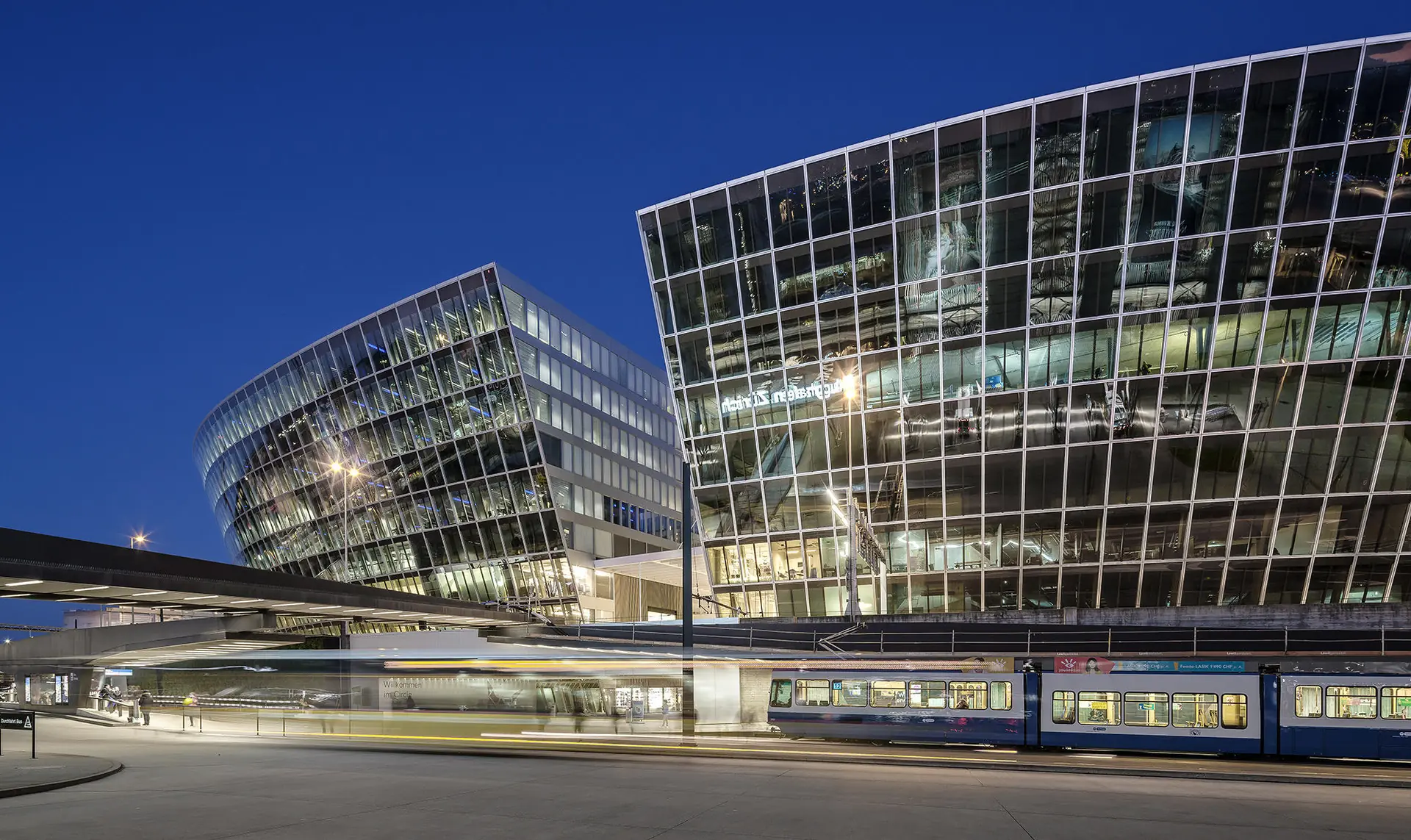
Commercial & workplace
One building, many tenants, one operating picture.
Offices, campuses and mixed-use assets where facility teams need to run HVAC, lighting, access and energy as one system.
Explore
Energy & carbon
Measure the building. Then move it.
Metering, PV, storage and EV charging brought into one energy model, with the controls to act on it.
ExploreRelated insights
Go deeper on the engineering.
Technical notes that sit next to this solution.
Specifying a healthy building: the numbers that matter
CO₂, PM2.5, TVOC and humidity: a practical framework for specifying comfort — and proving it after handover.
Read moreHotel guest room control: what owners should specify
A guest room is a small building with a demanding user. The specification decides whether the room feels effortless or constantly slightly wrong.
Read moreNext step
Bring us the building. We will bring the operating picture.
Share the project stage, the systems in scope and the outcome you need. Our engineers will map the shortest path to a working IBMS.