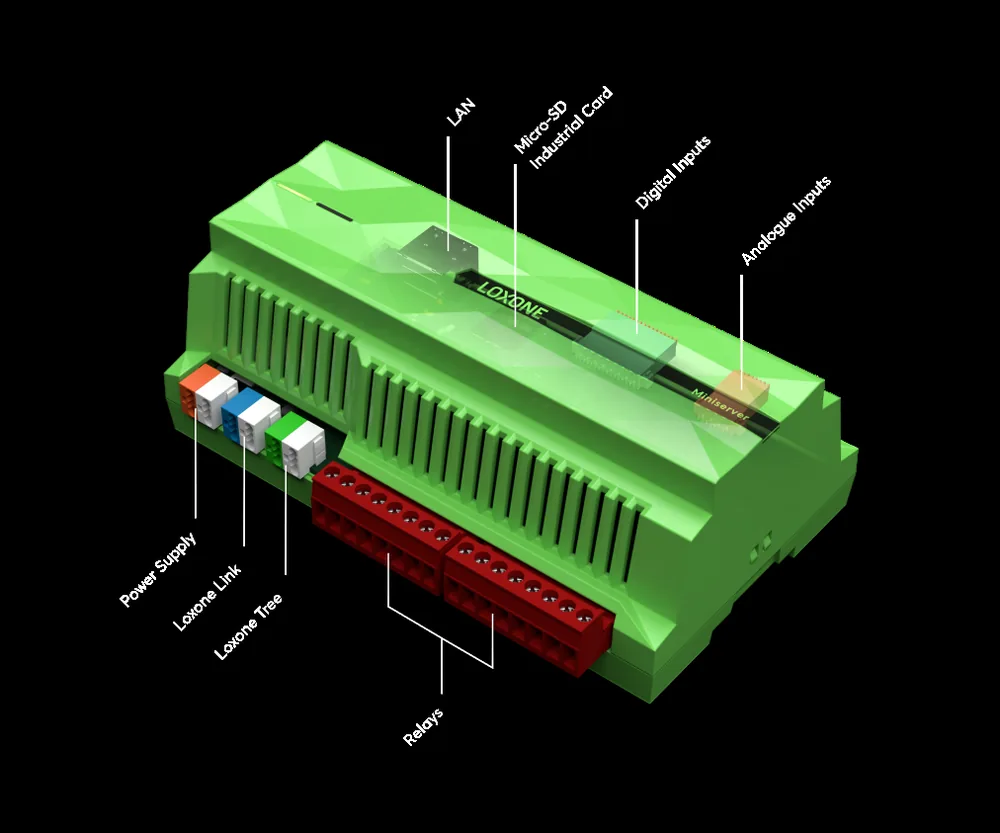
HVAC · Chiller plant
Chiller Plant Control — Sequencing, Staging and Part Load
How chiller plant control meets cooling load with stable flows, correct staging and efficient part-load operation, and the instrumentation it depends on.
Quick answer
Chiller plant control sequences chillers, pumps, cooling towers and valves to meet cooling load with the fewest running machines and stable water flows. It optimises part-load operation through staging, reset and rotation, while protecting minimum flows, compressor limits and freeze conditions.
Load, staging and rotation
Chiller staging is a decision about when to add or remove a machine. The sequence estimates load from flow and temperature difference, then compares it with the capacity of the running machines. Adding a chiller too early wastes energy; adding too late leaves the building short of cooling. Stability timers prevent short cycling, and lead/lag rotation distributes run hours. Minimum load matters as much as maximum load, because a chiller running below its safe range is inefficient and can trip. The sequence should also define what happens when a machine fails or a valve does not prove open. Staging is a control problem, not a schedule. A plant that stages on a timer rather than on load will always be either early or late.
Hydraulics: pumps, valves and flow
Most chiller plant problems are hydraulic. Primary/secondary systems, variable primary flow and distributed pumps each need a different control logic. Differential pressure should be measured across the index circuit, not at the pump, and the setpoint should reset with valve position. Minimum flow must be protected by a bypass or a proven chiller limit. Valve authority determines whether a control signal actually changes flow. Air in the system, a stuck check valve or a reversed sensor will make a good sequence look wrong. Commissioning should prove flow at each terminal, not only at the pump header. Pressure reset should be slow enough that valves can respond without hunting.
Condenser water and cooling towers
Condenser water links the chiller to the cooling tower and to the weather. Tower fan staging and approach control should follow wet-bulb temperature rather than a fixed setpoint. Where the climate and the machine allow, free cooling can reduce compressor run time. Water treatment, filtration and basin management are part of the same system, because fouling raises condensing temperature and erodes efficiency. The sequence should define fan staging, bypass positions, tower isolation and freeze protection. It should also define alarms that distinguish a control fault from a genuine high condensing temperature. Tower bypass and isolation valves need proof signals, or the sequence is guessing. Weather data should come from a sensor on the roof, not from a distant weather service.
Instrumentation and failure behaviour
Every staging decision depends on instrumentation: supply and return temperatures, flow, pressure, power and equipment status. Sensor accuracy and location matter more than the control algorithm. A single faulty temperature sensor can make the plant stage in the wrong direction all summer. Provide redundant or cross-checked measurements for critical values. Define fail-safe behaviour on sensor loss: hold the last valid value, stage conservatively, alarm clearly and allow a documented manual override. Record every override. A plant that can only run in manual after a fault has not been commissioned, only started. Trends should record commands as well as measurements, so a staging decision can be reconstructed.
Chiller plant control objectives
6 rows| Equipment | Control objective | Key risk |
|---|---|---|
| Chillers | Match capacity to load and rotate run hours | Short cycling and minimum-load trips |
| Primary pumps | Maintain evaporator flow | Low flow and freeze risk |
| Secondary pumps | Hold differential pressure at the index circuit | Over-pumping at part load |
| Valves | Modulate flow to coils | Poor authority and hunting |
| Cooling towers | Control approach to wet-bulb | Fouling and fan cycling |
| Sensors | Provide trustworthy load signals | Drift and wrong location |
Project images
3 images

Frequently asked
01How does a chiller plant decide to stage?
It compares measured load with running capacity, then adds or removes a machine after a stability delay. The exact logic depends on the plant configuration and machine limits.
02What is the most common chiller plant fault?
Hydraulic problems: low flow, air, poor valve authority or a sensor in the wrong place. Control logic cannot fix a hydraulic design fault.
03Should chillers run at a constant supply temperature?
Not always. A controlled reset can improve part-load efficiency, but it must respect dehumidification, terminal capacity and machine limits.
04Is free cooling always worth it?
Only where climate, tower and machine characteristics support it. It needs a proper changeover sequence, filtration and freeze protection.
05How often should plant sensors be checked?
At commissioning and as part of planned maintenance. Critical flow and temperature sensors should be cross-checked against portable instruments.
06Can the BMS stage chillers?
It can supervise and command, but the staging sequence should have a clear owner and a safe fallback if communication is lost.
Next step
Bring us the building.
Tell us the building type, systems in scope and the outcome you need. We will map the shortest path to a working system.