Loxone · South Africa
Loxone Installation in South Africa
Loxone installation in South Africa: 230/400 V power, load shedding, solar and battery readiness, water and energy metering, approvals and handover.
What the installation covers
Installation covers survey, a tagged point schedule, panel layout and assembly, device mounting, cabling and termination, network setup, controller configuration, point-to-point and functional testing, training and the as-built pack. South African projects often include load-shedding resilience as part of the automation scope: essential-load circuits, inverter and battery status, solar generation and priority loads are mapped alongside HVAC, lighting, metering and water systems. The survey records the existing distribution, the earthing system and the equipment that must keep running. The control logic treats grid availability, battery state and essential loads as one sequence rather than separate alarms. Each package has its own test record and acceptance, and the sequence is agreed with the main contractor before panels are released.
- Survey, tagged point schedule and panel design
- Load-shedding, inverter and battery points mapped
- Package testing and acceptance records
Regional climate and water
South African installations are planned for regional climate differences: coastal sites are humid, the highveld has cooler winters and hot summers, and some inland sites are dry and dusty. Water scarcity is also a practical design driver, because cooling, irrigation and sanitation may depend on stored or recycled water. These are planning considerations for the specific project. Panels are placed in shaded or conditioned rooms, sealed against dust where needed and fitted with filter maintenance access. Field devices use suitable IP ratings, and external mounting details shed rain and resist ultraviolet exposure. Condensation control is specified for coastal plant rooms. Water metering and leak alarms are often part of the same scope, because water and energy costs are reviewed together.
- Coastal, highveld and dry inland conditions
- Water metering and leak alarms in the same scope
- Condensation and dust details by site
Power, load shedding and network
The supply is 230/400 V, 50 Hz. Load shedding and network constraints mean that controllers and network equipment sit on UPS-backed or essential-load circuits, and critical plant is coordinated with the generator, inverter, battery and solar system where provided. Surge protection is installed at the service entrance, at panels and on signal lines, and earthing is verified during commissioning. The 50 Hz basis is recorded, and the inverter or battery interface is confirmed with its supplier before commissioning. The control network uses a documented IP plan, separate VLANs and a VPN route for remote support. Fibre or cellular backup is agreed with the owner's IT team where continuity matters. The control logic can shed non-essential loads and protect battery state as supply conditions change.
- 230/400 V, 50 Hz with essential-load circuits
- Inverter, battery, solar and generator coordination
- Load shedding and battery-state logic
Approvals, compliance and logistics
Approvals are confirmed for each project; no standing approval, registration or certification is claimed. Typical review streams include municipal building plan approval, electrical compliance, fire safety and water or sanitation bylaws. Drawings, equipment schedules and interface documents are prepared for the consultant or contractor to submit. Imported panels and devices need customs documentation, tariff codes and conformity records, and delivery should match the construction sequence. Spares and special tools are shipped with the main order where possible. The electrical certificate of compliance is issued by the local qualified electrician who signs off the installation, not by the automation supplier. Water and sanitation bylaws may add metering and backflow requirements that affect the plant room layout.
- Approvals confirmed per project, not assumed
- Electrical compliance certificate issued by the local electrician
- Water bylaws and metering requirements checked
Typical project types
Typical work includes offices, retail and mixed-use developments, hotels, residential estates, corporate campuses, schools, healthcare buildings and light industrial facilities. Each has a different operating pattern and a different tolerance for shutdowns. A retail centre may need night works; a campus may need building-by-building handover; a hotel may need room-by-room commissioning around occupancy. Load-shedding resilience is often part of the brief, so the automation scope includes essential-load logic, inverter and battery status, and energy and water metering rather than treating them as separate projects. The point schedule follows those constraints. The programme is issued only after those constraints are agreed with the operator.
- Offices, retail, hotels and residential estates
- Campuses, schools, healthcare and light industry
- Load-shedding and metering in the same scope
Delivery model and handover
Engineering, panel design, configuration and commissioning planning are coordinated remotely with the consultant and contractor. Site installation is delivered by the local contractor working to issued drawings and test records, with remote support and, where agreed, attendance for commissioning and witness testing. Handover includes as-built drawings, the point schedule, control narratives, alarm lists, network diagrams, backups and signed test records. Operator training is task-based and includes the load-shedding routine, battery priority logic and metering reports. A support path covers the defects period and the first full year, when seasonal performance, battery behaviour and water consumption are reviewed against the design assumptions. A short open-items list is closed before final acceptance.
- Remote engineering with local installation
- Training on load shedding and battery priority
- First-year review of energy and water data
South Africa planning considerations and responses
9 rows| Planning area | South Africa consideration | Design and delivery response |
|---|---|---|
| Load shedding | Scheduled outages and constrained supply | Essential-load circuits and tested changeover sequences |
| Solar and battery | PV, inverter and battery systems in the supply mix | Generation and battery status mapped to priority loads |
| Energy metering | Cost review across main incomer and major plant | Metering at incomer and plant, with trend reporting |
| Water metering | Water scarcity, tanks and leak detection | Water meters, tank levels and leak alarms in scope |
| Power | 230/400 V, 50 Hz supply | Surge protection, UPS-backed controls and generator coordination |
| Climate | Humid coast, cooler highveld and dry inland | Site-specific heating, condensation and dust details |
| Approvals | Municipal plan approval, electrical compliance and fire | Submittals coordinated per project; no standing approval claimed |
| Logistics | Imported equipment and replacement lead times | Critical spares shipped with the main order and registered |
| Commissioning | Occupied buildings and staged load shedding | Phased tests with witnessed changeover and signed records |
Project images
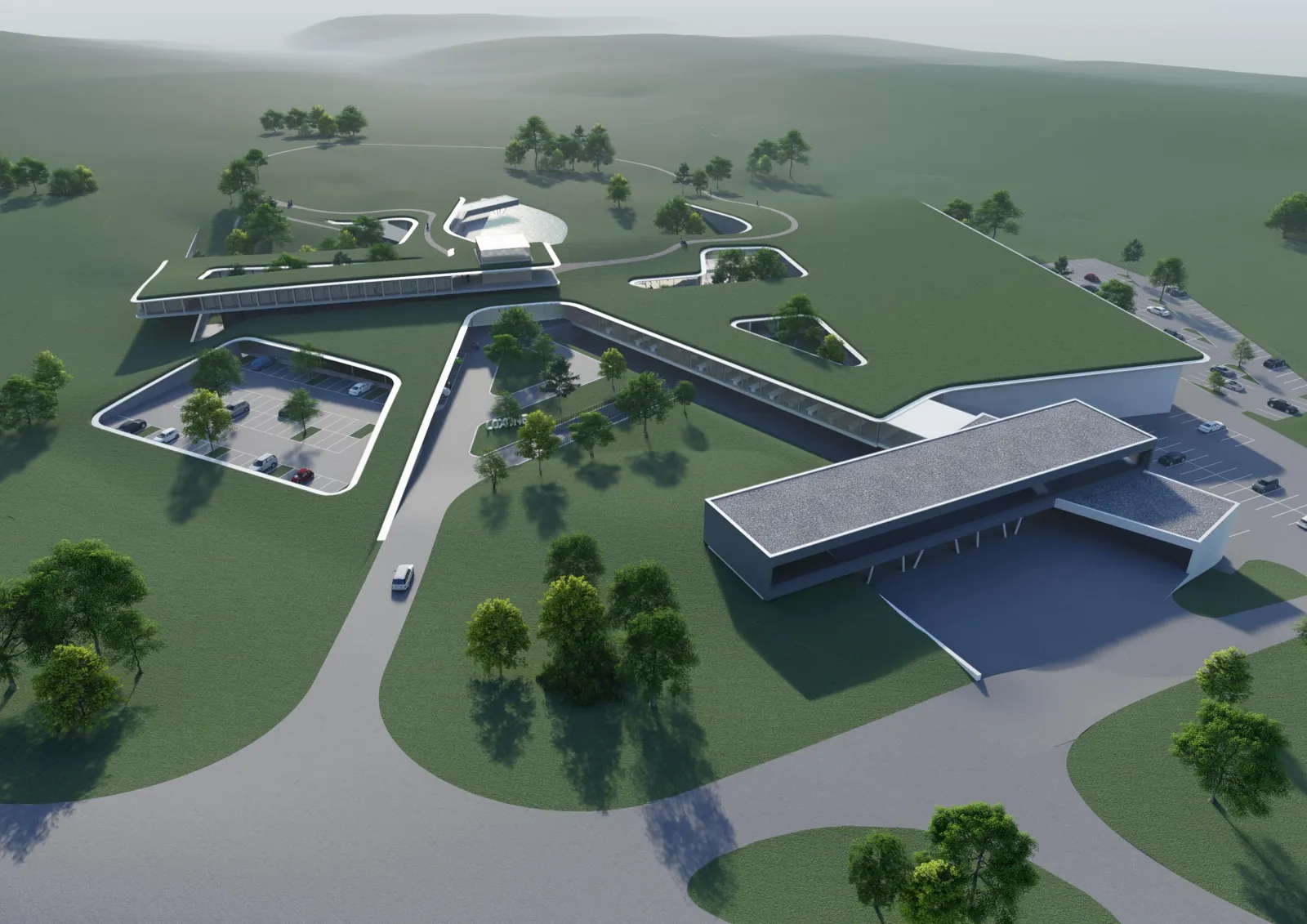
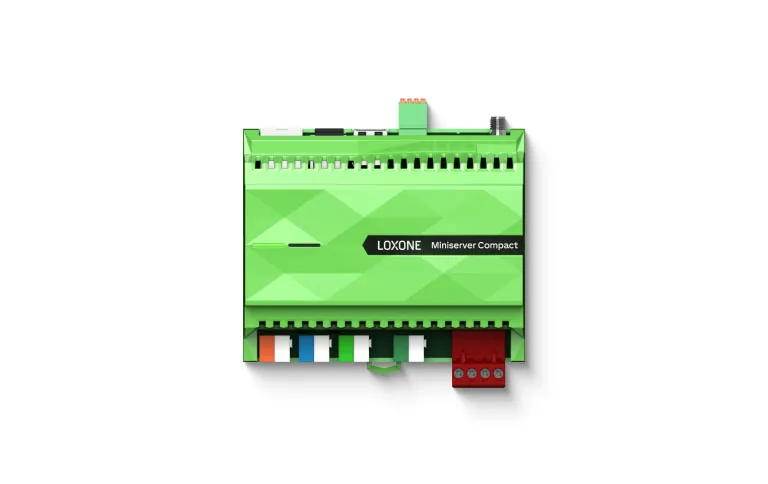
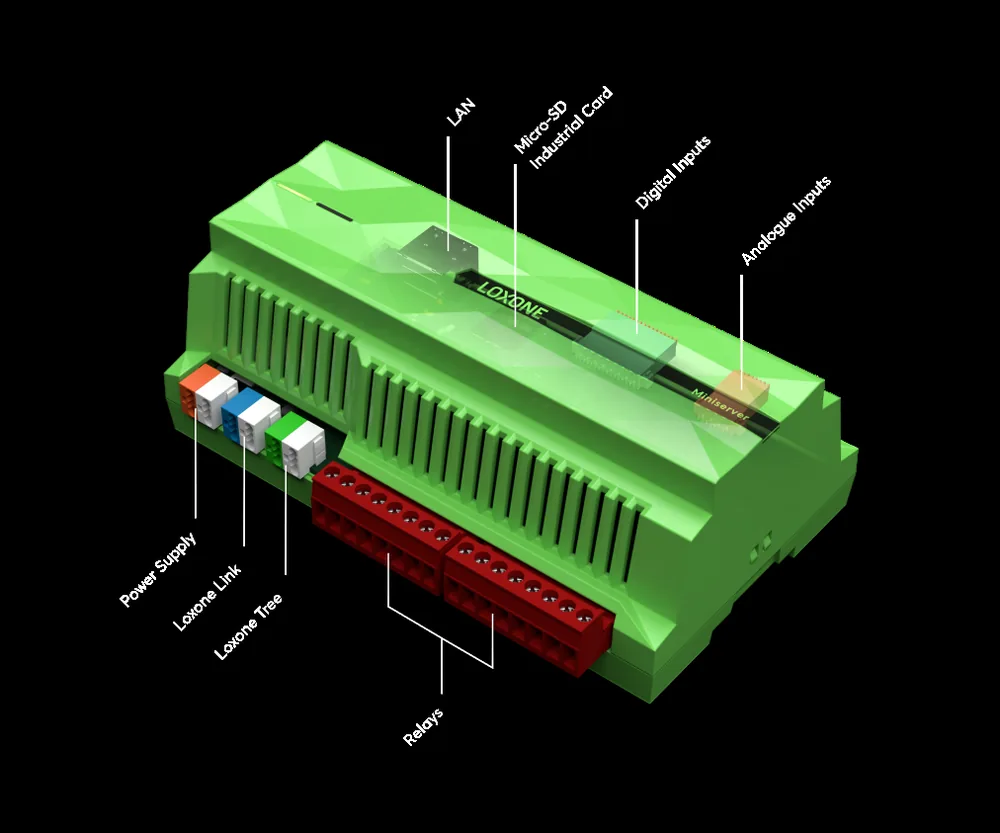
3 images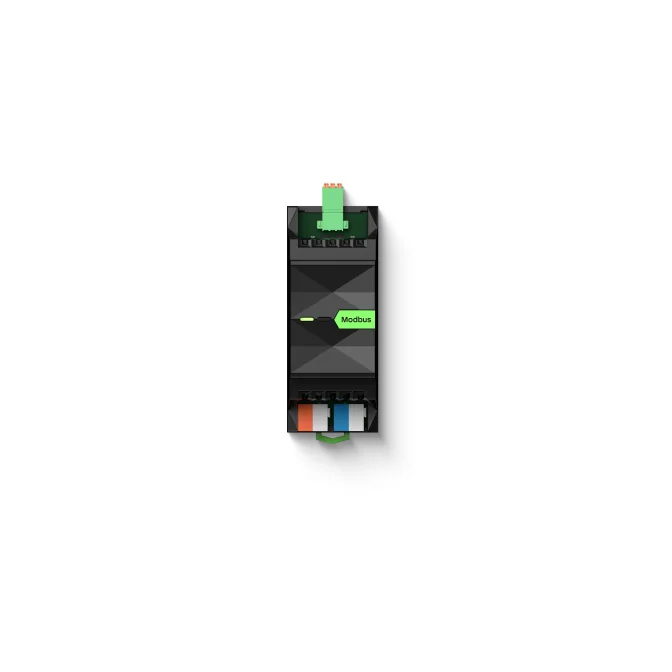
Frequently asked
01Do you have a local office or partner in South Africa?
We do not claim a local office, partner or registration. Engineering and configuration are coordinated remotely, and site installation is delivered by a local contractor confirmed for each project. Responsibilities are written into the scope.
02Can the system manage load shedding automatically?
Yes, where the inverter, battery and distribution design provide the required interfaces. The control logic switches to essential loads, protects battery state and restores non-essential loads in a defined sequence after supply returns.
03Does Loxone support solar and battery integration?
Yes, through the inverter's documented interface. The point schedule records generation, battery state and load values, and the priority logic is tested with the actual equipment before handover.
04Who issues the electrical certificate of compliance?
The local qualified electrician who signs off the installation issues it. We provide the drawings, test records and interface documentation that support the inspection, but we do not issue the certificate.
05How is installation priced?
Pricing follows the point schedule, panel count, site conditions and commissioning scope. Country rates are not published; the method is explained on the pricing page and confirmed in a written quotation after scope review.
06Are water meters part of the automation scope?
They can be. Where the project includes water metering, tank level or leak detection, those points are added to the schedule and reported alongside energy data. The exact boundary is agreed in the scope.
Next step
Bring us the building.
Tell us the building type, systems in scope and the outcome you need. We will map the shortest path to a working system.