Loxone · Philippines
Loxone Installation in the Philippines
Loxone installation in the Philippines: 220–230 V 60 Hz power, humidity, typhoon and lightning planning, permits, inter-island logistics and handover.
What the installation covers
Installation covers survey, a tagged point schedule, panel layout and assembly, device mounting, cabling and termination, network setup, controller configuration, point-to-point and functional testing, training and the as-built pack. Philippine projects range from new-build towers and resorts to floor-by-floor retrofits in operating offices and malls, so the survey records what must keep running during the works. Air handling units, fan coils, chillers, pumps, lighting, shading, energy meters and access interfaces are common. Because many sites are typhoon-exposed, the mounting details, cable routes and equipment locations are agreed with the structural and facade teams before installation starts, not after the first heavy rain. Existing systems are recorded with their protocol and condition, because a retrofit cannot rely on undocumented changes made after handover.
- Survey, tagged point schedule and panel design
- Field devices, cabling, termination and network
- Typhoon-ready mounting and cable routes
Humidity, typhoons and lightning
Philippine installations are planned for high humidity, typhoon exposure, frequent lightning and salt air on coastal sites. Wind-driven rain reaches louvres, roof plant and external sensors, so field devices need suitable IP ratings and mounting details that shed water. Surge protection is planned for power and signal lines, with particular attention to roof-mounted equipment and long cable runs between buildings. Condensation is managed in ceiling voids and cold-water plant through insulation, drainage and ventilation. These are planning considerations, not a forecast for a specific site. Lightning risk also shapes the network design: fibre between buildings is preferred, and copper links are protected or avoided where practical. The details are reviewed with the project's structural and electrical consultants.
- IP-rated devices and water-shedding mounts
- Surge protection for roof plant and long runs
- Fibre between buildings where lightning risk is high
Power, earthing and network
The supply is 220–230 V, 60 Hz. Frequency matters: motors, clocks and equipment rated only for 50 Hz are checked before selection, and the 60 Hz basis is stated in the equipment schedule. Voltage dips, brownouts and short outages are common in some areas, so controllers and network equipment sit on UPS-backed circuits, and critical plant is coordinated with the generator and automatic transfer switch. Surge protection is installed at the service entrance, at panels and on signal lines. The control network uses a documented IP plan, separate VLANs and a VPN route for remote support. Multiple internet providers or a cellular backup are agreed with the owner's IT team where continuity matters.
- 220–230 V, 60 Hz with frequency compatibility checks
- UPS-backed controls and generator coordination
- Multiple ISP or cellular backup for continuity
Approvals, customs and logistics
Approvals are confirmed for each project; no standing approval, local registration or certification is claimed. Typical review streams include the local building permit, electrical inspection, the Fire Code and, for economic-zone locators, the zone authority's own requirements. Drawings and equipment schedules are prepared for the consultant or contractor to submit. Imported panels and devices need customs documentation, tariff codes and conformity records, and inter-island projects need a shipping plan that matches the construction sequence. Spares and special tools are shipped with the main order where possible. For sites outside the main urban centres, the programme should assume longer delivery and technician travel times.
- Approvals confirmed per project, not assumed
- Customs, conformity records and inter-island shipping
- Longer delivery and travel allowances outside main centres
Typical project types
Typical work includes business-process outsourcing offices, shopping malls, hotels and resorts, residential towers, industrial parks, schools and hospitals. Each has a different operating pattern: a BPO office may run around the clock, a mall may need night works, and a resort may need room-by-room commissioning around occupancy. Typhoon season can compress the external works window, so roof plant, facade sensors and external cabling are scheduled early where the programme allows. The point schedule and the installation sequence follow these constraints rather than a standard building template. For occupied sites, noisy work and shutdowns are agreed with the building operator before the programme is issued.
- BPO offices, malls, hotels and resorts
- Residential towers, industrial parks and hospitals
- External works scheduled around typhoon season
Delivery model and handover
Engineering, panel design, configuration and commissioning planning are coordinated remotely with the consultant and contractor. Site installation is delivered by a local licensed contractor working to issued drawings and test records, with remote support and, where agreed, attendance for commissioning and witness testing. Handover includes as-built drawings, the point schedule, control narratives, alarm lists, network diagrams, backups and signed test records. Operator training is task-based and can be repeated after the defects period. A support path covers the defects period and the first wet season, when humidity, lightning damage and drainage issues are reviewed against the design assumptions.
- Remote engineering with licensed local installation
- As-built pack, backups and signed test records
- First wet-season review of humidity and surge damage
Philippines planning considerations and responses
9 rows| Planning area | Philippines consideration | Design and delivery response |
|---|---|---|
| Frequency | 220–230 V, 60 Hz supply | 60 Hz compatibility checked for every motor, clock and device |
| Humidity | High year-round humidity and condensation | Anti-condensation details, ventilation and suitable IP ratings |
| Typhoons | Wind-driven rain and high wind loads | Water-shedding mounts, protected routes and facade coordination |
| Lightning | Frequent thunderstorms and exposed roof plant | Surge protection, earthing checks and fibre between buildings |
| Grid quality | Voltage dips, brownouts and short outages | UPS-backed controls, generator coordination and surge protection |
| Permits | Building permit, electrical inspection and Fire Code | Submittals coordinated per project; no standing approval claimed |
| Logistics | Inter-island shipping and customs clearance | Delivery plan matched to construction sequence and storage |
| Network | Multiple providers and limited fixed-line coverage | Documented IP plan, VLANs and cellular backup option |
| Commissioning | Occupied buildings and compressed fit-out windows | Phased tests by floor or zone with signed records |
Project images
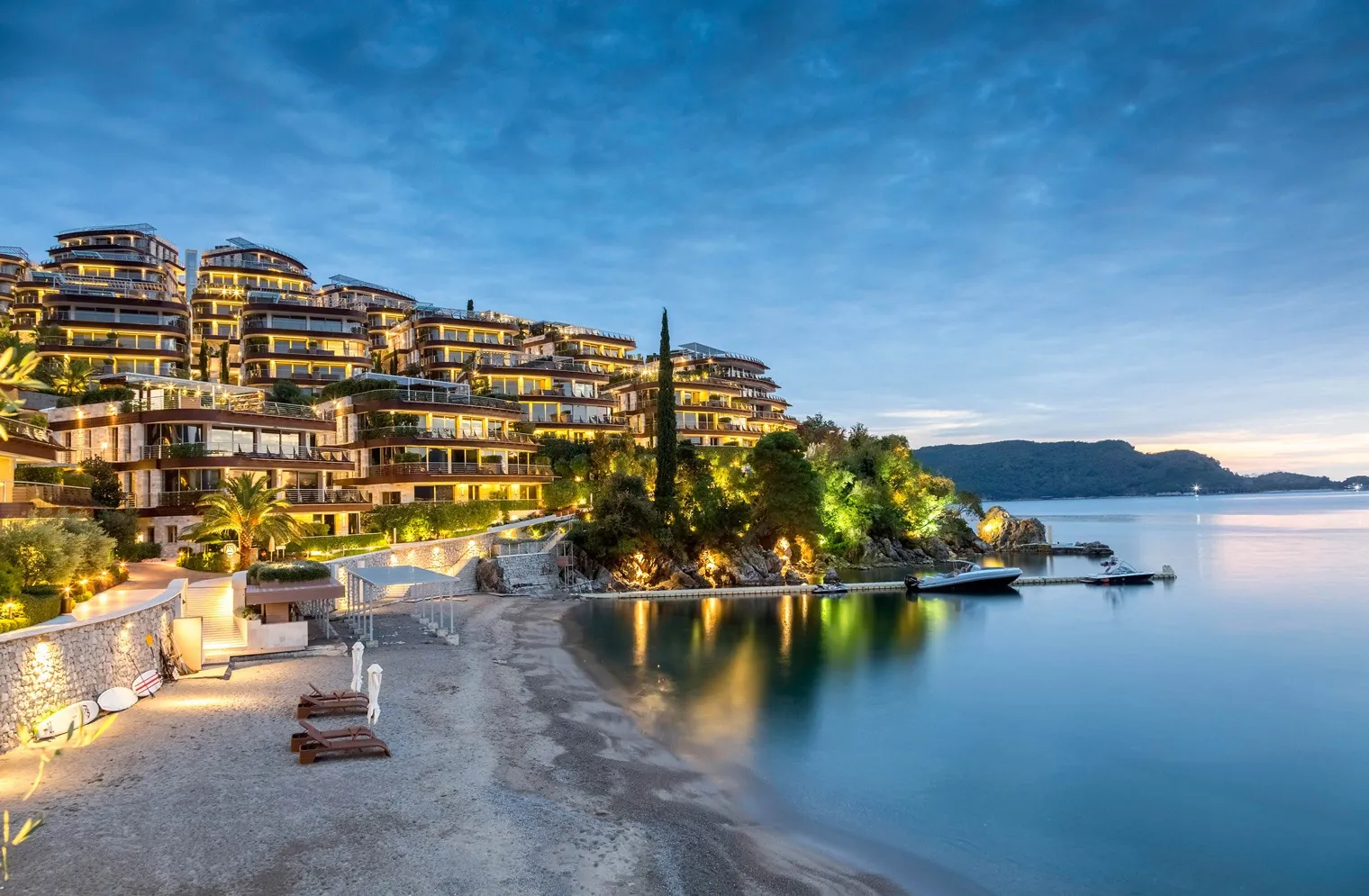
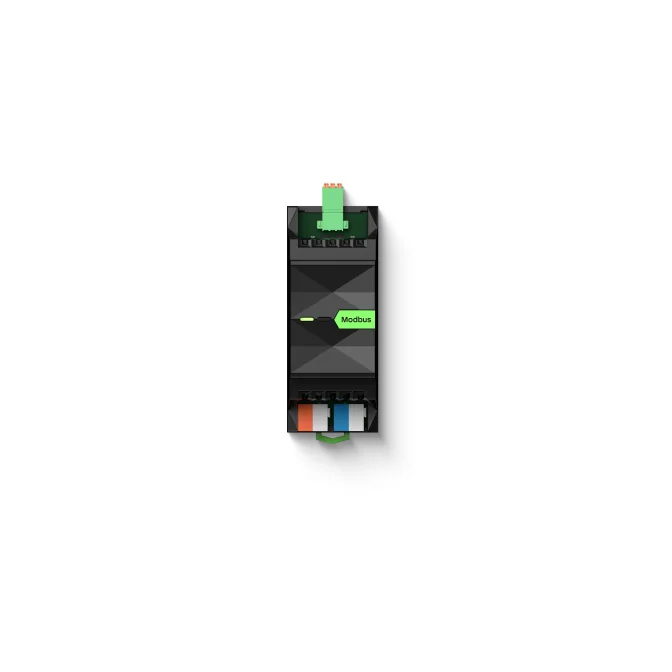
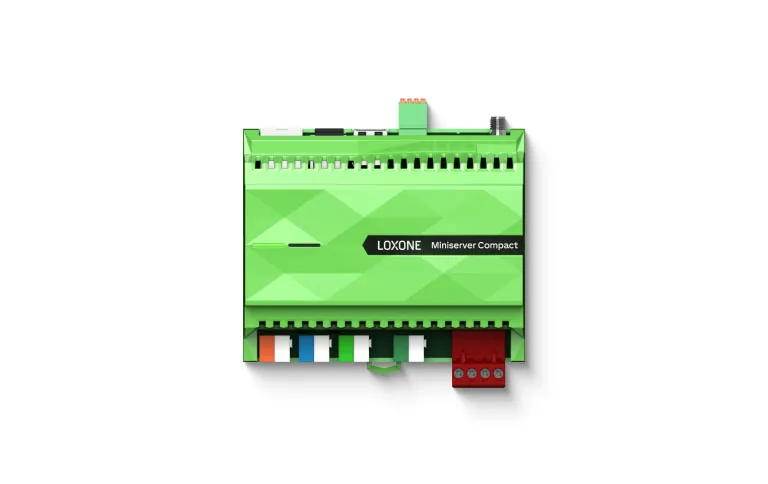
3 images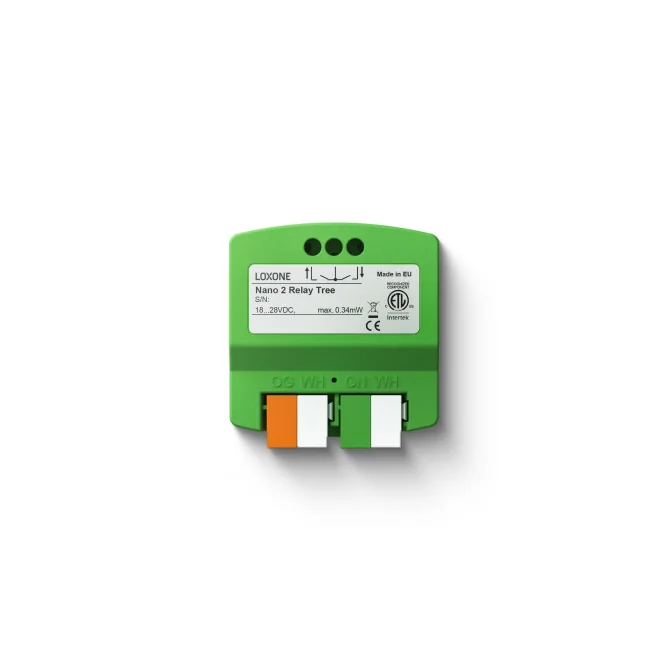
Frequently asked
01Do you have a local office or partner in the Philippines?
We do not claim a local office, partner or registration. Engineering and configuration are coordinated remotely, and site installation is delivered by a local licensed contractor confirmed for each project. Responsibilities are written into the scope.
02Why does 60 Hz matter for the equipment?
Motors, clocks and some power supplies are frequency-specific. The equipment schedule states the 60 Hz basis, and any device rated only for 50 Hz is replaced or confirmed with its manufacturer before installation.
03How is lightning protection handled?
Surge protection is installed at the service entrance, at control panels and on signal lines. Earthing is verified during commissioning, and fibre is preferred between buildings. Roof-mounted devices are placed and bonded with the lightning protection design.
04Can installation continue during typhoon season?
Internal works can continue, but external mounting, roof access and facade work may be restricted. The programme places weather-sensitive work outside the peak season where possible, with protected storage and temporary sealing in the meantime.
05How is installation priced?
Pricing follows the point schedule, panel count, site conditions and commissioning scope. Country rates are not published; the method is explained on the pricing page and confirmed in a written quotation after scope review.
06Who handles permits and inspections?
The consultant or contractor normally submits and attends inspections. We provide drawings, equipment schedules, interface documents and test records. Permit status is confirmed for the specific project before work depends on it.
Next step
Bring us the building.
Tell us the building type, systems in scope and the outcome you need. We will map the shortest path to a working system.